Physical Address
304 North Cardinal St.
Dorchester Center, MA 02124

Physical Address
304 North Cardinal St.
Dorchester Center, MA 02124
Written By:
Reviewed By:

When you’re depressed, gratitude can feel like a foreign language.
You know it’s supposed to help. You’ve probably heard people say things like “just be grateful” or “focus on the good.” But when your mind feels heavy, your energy is low, and even simple tasks feel exhausting, that advice can land as frustrating—or even shaming.
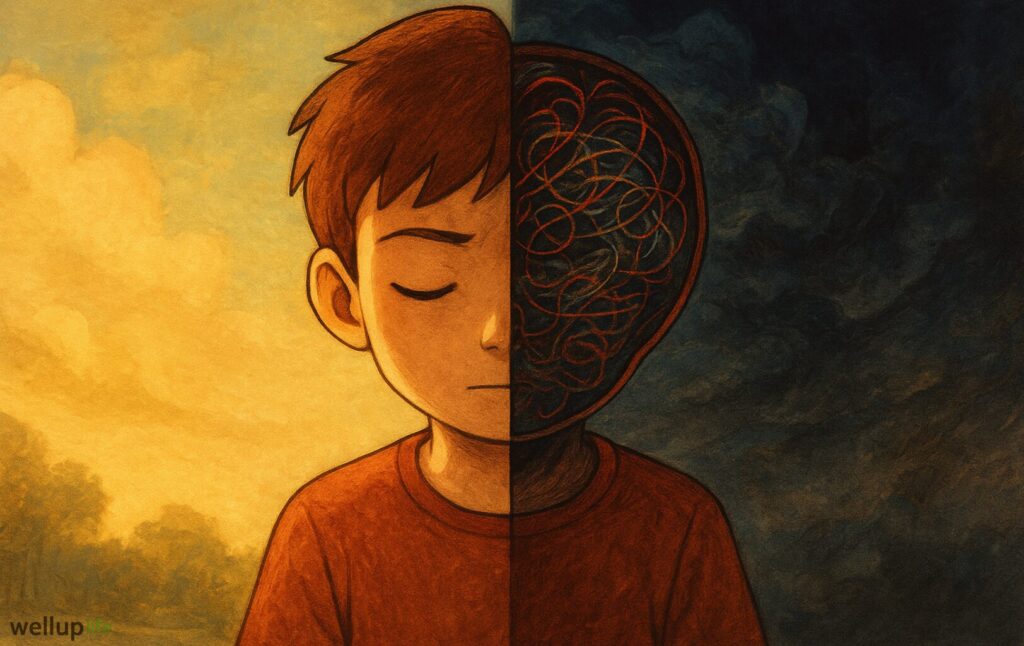
Depression doesn’t mean you’re ungrateful. It means your nervous system is overwhelmed. When you’re struggling just to get through the day, forcing yourself to feel thankful can feel unnatural, fake, or impossible.
This article isn’t about pretending everything is okay.
It’s not about positive affirmations, long gratitude lists, or finding silver linings in pain.
Instead, this is a gentle, realistic guide to practicing gratitude in a way that respects where you are right now. One that works with low energy, emotional numbness, and difficult days—not against them.
Because when you’re depressed, gratitude doesn’t need to be bright or joyful to be real.
Sometimes, it’s quiet. Sometimes, it’s neutral. And sometimes, simply being here is enough.
Most gratitude advice is created for people who already have emotional energy.
It assumes you can reflect, reframe, and feel appreciation if you just try hard enough. That might work on a good day—but depression isn’t a motivation problem. It’s a capacity problem.
When you’re depressed, your mind often feels slowed down, your emotions feel muted, and even positive experiences may not register the way they used to. This isn’t a personal failure. It’s how depression affects the nervous system and emotional processing.
That’s why common gratitude practices often backfire during depression:
Instead of feeling grateful, you might end up feeling worse—as if you’re failing at yet another self-help practice.
The issue isn’t gratitude itself.
The issue is asking too much from a system that’s already overloaded.
Depression narrows emotional bandwidth. It reduces access to pleasure, meaning, and motivation. So when gratitude is framed as something you should feel, it becomes pressure rather than support.
What actually helps is a different approach—one that adjusts gratitude to your current capacity instead of expecting your mind to rise above it. Gratitude during depression isn’t about generating positive emotions. It’s about meeting yourself where you are, without force or judgment.
When you’re depressed, gratitude doesn’t look like joy, excitement, or constant positivity.
It often looks much quieter.
Instead of feeling thankful, gratitude may simply mean noticing. Noticing what didn’t make things worse. Noticing what helped you get through the moment—even in a small way.
During depression, gratitude shifts from an emotional experience to a neutral awareness.
It might look like:
This kind of gratitude doesn’t ask you to feel happy about your pain. It only asks you to recognize reality as it is, without adding self-judgment on top of it.
Sometimes, gratitude during depression is simply this thought:
“This is hard, and I’m still here.”
Other times, it’s noticing small stabilizing moments:
None of these moments need to feel meaningful or inspiring. Their value is not in how positive they feel, but in the fact that they supported you in staying present.
Gratitude, in this context, is not about celebrating life.
It’s about acknowledging what made survival slightly gentler.
And on days when even that feels like too much, neutrality is enough. You don’t have to feel grateful for your depression. You don’t have to search for lessons or growth.
If all you can do is notice that something didn’t hurt as much as it could have—that counts.
When you’re depressed, any practice that requires motivation, consistency, or emotional effort can feel overwhelming. These approaches are intentionally small, optional, and flexible. You don’t need to do all of them—or any of them perfectly.
Instead of asking “What am I grateful for?”, try a softer question:
“What didn’t make today harder than it already was?”
This could be something very simple:
This kind of gratitude doesn’t demand positivity. It simply recognizes relief, however small.
When thinking feels tiring, shift attention to the body.
You don’t need to label anything as “good.” Just notice:
If you want, you can silently acknowledge:
“This part of my body is helping me right now.”
No journaling. No reflection. Just presence.
Depression often narrows your inner world. Gently expanding awareness outward can feel grounding.
Notice one external thing that offers stability:
You don’t have to feel thankful about it. Simply noticing that it exists is enough.
If writing feels like effort, skip it.
Gratitude doesn’t need to be recorded to be real. You can:
Examples:
One sentence is enough. Even half a sentence counts.
On days when gratitude feels completely unavailable, let someone else hold it for you.
This could mean:
You don’t have to agree with it or feel it deeply. Let it exist nearby—without pressure.
These practices aren’t meant to fix depression. They’re meant to soften the edges of the day, even slightly.
If gratitude starts to feel forced, performative, or irritating, that’s not a sign you’re doing it wrong. It’s a sign that your system needs less effort, not more.
When you’re depressed, forcing gratitude can quietly turn into self-criticism:
“Why can’t I feel thankful like other people?”
“Why isn’t this helping me?”
At that point, gratitude stops being supportive and starts becoming another task you feel you’re failing at.
The most respectful thing you can do in those moments is to pause.
You’re allowed to step back from gratitude without guilt. You’re allowed to say, “This isn’t what I need right now.” Gratitude is meant to support you—not test your emotional strength.
When gratitude feels fake, try one of these gentler alternatives instead:
If and when gratitude feels accessible again, it will return naturally—often in a quieter, less dramatic way.
If you’re looking for a broader, everyday approach to gratitude that isn’t tied to mood or motivation, you may find this helpful: How to Practice Gratitude: A Simple, Realistic Guide for Everyday Life
When you’re depressed, progress doesn’t come from doing more.
It comes from asking less of yourself.
Big gratitude practices—long journals, daily routines, structured reflections—often fail not because they’re bad, but because they require energy that isn’t always available. What actually helps during depression are small, barely noticeable shifts that don’t demand consistency or effort.
One of the most important shifts is letting go of duration.
Gratitude doesn’t need time. Ten seconds of noticing is enough. Even a brief pause—without writing, analyzing, or reflecting—can gently interrupt the heaviness of the moment.
Another shift is changing the goal.
Gratitude during depression isn’t meant to make you feel better instantly. Its role is much quieter: to reduce inner resistance, soften self-judgment, and create a little space around the pain.
It also helps to release the idea of frequency.
You don’t need to practice gratitude every day for it to matter. When it appears once in a while—on a slightly easier moment—that’s enough. Over time, those moments tend to return naturally, without force.
Most importantly, gratitude works best after relief, not before it.
You don’t practice gratitude to earn calm. You notice gratitude when calm briefly appears, even if only for a moment.
These small shifts may not feel impressive. But they respect the reality of depression—and that respect is what makes them sustainable.
If gratitude feels distant right now, it doesn’t mean you’re doing something wrong.
It means you’re human—and you’re carrying more than usual.
Gratitude is not a requirement for healing. It’s not a mindset you have to maintain, or a lesson you’re supposed to learn from pain. It’s simply something that sometimes becomes available when the nervous system feels a little safer.
On days when gratitude shows up quietly—through a small moment of relief or a passing sense of steadiness—that’s enough. And on days when it doesn’t show up at all, that’s okay too.
Even reading this, even considering a gentler way of being with yourself, is a form of care.
You don’t need to force gratitude to deserve peace.
You’re already allowed to rest.