Physical Address
304 North Cardinal St.
Dorchester Center, MA 02124
Written By:

Published On: October 11, 2025
Last Updated On: October 11, 2025
Medically Reviewed By:

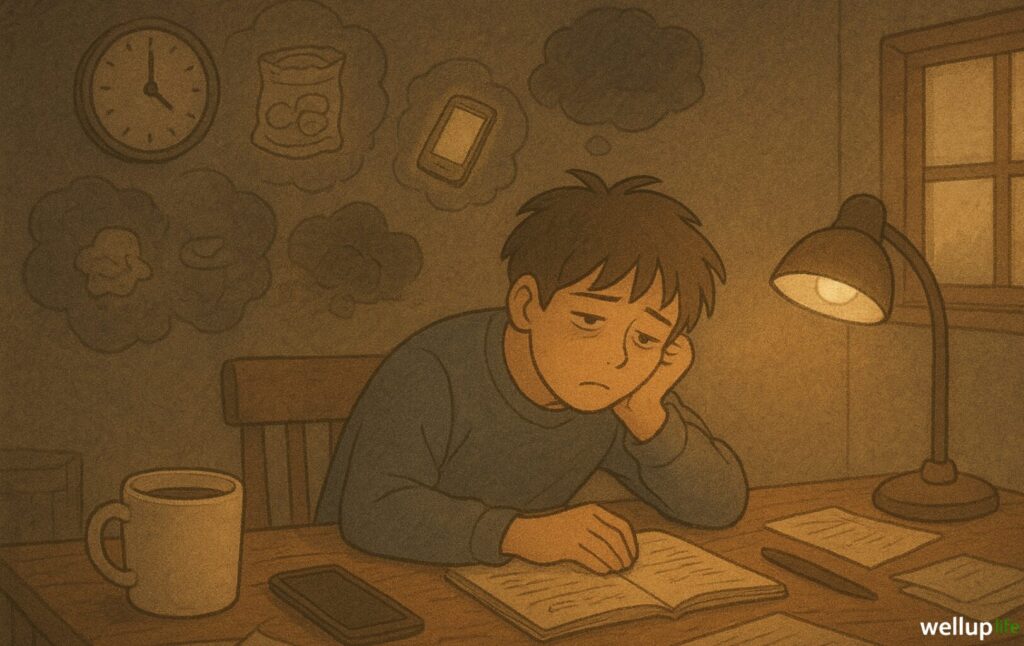
You wake up, hit snooze (again), drag yourself out of bed, and still feel exhausted — even after what should’ve been a “full night’s sleep.” Sound familiar?
You’re not alone. Millions of people constantly ask themselves, “Why am I always tired?” or “Why do I have no energy even when I sleep enough?”
Feeling tired all the time isn’t just about how many hours you sleep — it’s about how your body, mind, and lifestyle work together. Fatigue can creep in from poor sleep quality, nutritional deficiencies, emotional stress, or even a lack of purpose in your day-to-day routine. When left unchecked, this constant exhaustion can affect your focus, productivity, mood, and overall well-being.
According to a report by the Centers for Disease Control and Prevention (CDC), nearly 1 in 3 adults don’t get enough quality sleep regularly [1]CDC: Insufficient Sleep Among Adults. But sleep isn’t the only reason behind your tiredness — your diet, mental health, hydration levels, and stress also play a huge role in how energized you feel.
The good news? Most causes of chronic tiredness are fixable with simple, sustainable lifestyle changes. In this article, we’ll explore 7 common reasons why you feel tired all the time — and how to naturally boost your energy without relying on caffeine or quick fixes.
By the end, you’ll not only understand what’s draining your energy but also learn how to reclaim your focus, motivation, and vitality.
Here are 7 most common reasons that make you feel tired all the time.
You might think feeling tired all the time simply means you’re not sleeping enough. But in reality, poor sleep quality is often the real culprit — even if you’re getting 7–8 hours in bed.
Quality sleep isn’t just about quantity; it’s about how deeply and consistently you rest. If your sleep is constantly interrupted, or you spend too much time in light sleep stages, your body never truly recharges. The result? You wake up groggy, irritable, and craving coffee just to function.
Common habits that ruin sleep quality include:
Research from the Sleep Foundation shows that maintaining a consistent bedtime can significantly improve deep sleep and reduce daytime fatigue [2]Sleep Foundation: Healthy Sleep Habits.
Improving your sleep quality can dramatically change how you feel. Within a week of consistent, mindful rest, you’ll notice more focus, a balanced mood, and higher natural energy levels — no energy drinks required.
Sometimes, it’s not your sleep or stress that’s draining your energy — it’s what’s missing from your diet. Even a seemingly balanced meal plan can lack a few key nutrients that your body needs to produce energy efficiently.
The most common culprits? Iron, Vitamin B12, and Vitamin D.
A study published in the Journal of Internal Medicine found that Vitamin D deficiency is directly linked to increased fatigue and low mood [3]Journal of Internal Medicine: Vitamin D and Fatigue Study.
If you constantly feel low on energy despite sleeping well, a simple blood test can reveal hidden nutrient gaps. Addressing these deficiencies often brings a noticeable difference — clearer mind, better mood, and lasting vitality.
Ever felt mentally drained even when your body isn’t doing much? That’s chronic stress and anxiety silently exhausting your energy reserves. You might not realize it, but being mentally “on” all the time can be just as tiring as running a marathon.
When you’re stressed, your body releases cortisol and adrenaline — hormones meant to help you deal with danger. But when stress becomes constant, these hormones stay elevated, disrupting sleep, digestion, and even your immune system. Over time, this leads to mental fatigue, low motivation, and that heavy feeling of being tired all the time.
According to the American Psychological Association (APA), ongoing stress can cause long-term fatigue and reduce the brain’s ability to regulate energy efficiently [4]American Psychological Association: Stress Effects on the Body.
You might sleep 8 hours, but if your mind is racing with worries or unfinished thoughts, you’ll wake up just as tired.
As your stress levels drop, you’ll notice your body slowly shifting out of “survival mode” and back into balance. The result? More peace, better focus, and a natural lift in energy — without the need for another cup of coffee.
If your day mostly involves sitting — at your desk, in your car, or on the couch — your body might be running low on natural energy simply because it’s not moving enough. Ironically, the less you move, the more tired you feel.
When you live a sedentary lifestyle, your muscles weaken, your blood circulation slows, and your body produces less oxygen for your cells. Over time, this leads to low stamina, poor mood, and constant fatigue — even if you’re sleeping well and eating right.
Research published in the Journal of Health Psychology found that regular physical activity reduces fatigue and boosts mental alertness, even in people who report chronic tiredness [5]Journal of Health Psychology: Exercise and Fatigue Study.
You don’t need a gym membership or intense workouts — just consistent movement throughout the day. Once your body gets into rhythm, you’ll feel your focus sharpen, your mood brighten, and your natural energy return — no supplements required.
Sometimes the answer to “Why am I tired all the time?” is as simple as — you’re not drinking enough water or eating right.
Even mild dehydration can cause fatigue, headaches, poor concentration, and low mood. Your body relies on water to transport nutrients, regulate temperature, and produce energy. When you’re running low, everything — from your brain to your muscles — slows down.
According to the National Institutes of Health (NIH), losing even 1–2% of your body’s water can impact your energy levels and focus [6]NIH: Effects of Dehydration on Energy and Cognition.
On top of that, a poor diet — heavy in processed foods, refined sugar, and caffeine — can send your blood sugar on a roller coaster. These spikes and crashes drain your energy and leave you craving more stimulants, trapping you in a cycle of short bursts of alertness followed by deep fatigue.
Small daily adjustments — like starting your morning with water instead of coffee, or swapping chips for nuts — can make a huge difference in how energized you feel. Your body thrives on hydration and balanced nutrition — give it those, and it’ll give you energy in return.
If you’re getting “enough” sleep but still wake up feeling exhausted, it might be time to look deeper. Sometimes, underlying sleep disorders are quietly draining your energy without you realizing it.
Two of the most common culprits are insomnia and sleep apnea.
People with these conditions often wake up feeling unrefreshed, experience daytime drowsiness, and may even find it difficult to concentrate or remember things.
According to the American Academy of Sleep Medicine, nearly 30 million adults in the U.S. suffer from sleep apnea, yet many go undiagnosed [7]AASM: Sleep Apnea Facts and Statistics.
Addressing a hidden sleep disorder can be life-changing. Once your body starts getting the deep, restorative rest it needs, you’ll notice your mornings feel lighter, your focus sharper, and your energy lasting longer throughout the day.
Sometimes, tiredness has nothing to do with sleep or diet — it’s your heart and mind that are exhausted. This is called emotional burnout, a deep form of fatigue that comes from chronic stress, emotional strain, or living without a clear sense of goal or purpose.
You might be getting enough rest, eating healthy, and exercising — yet still feel mentally empty or disconnected. That’s because energy isn’t just physical — it’s emotional and spiritual too.
When you’re stuck in unfulfilling routines, jobs, or relationships, your inner motivation fades. You stop feeling inspired, and even small tasks start feeling heavy. Over time, this emotional exhaustion translates into real physical tiredness — headaches, low immunity, or lack of drive.
A study published in the Frontiers in Psychology journal found that emotional burnout is strongly linked to chronic fatigue, apathy, and decreased life satisfaction [8]Frontiers in Psychology: Emotional Burnout and Fatigue.
Remember — burnout isn’t a sign of weakness; it’s your body’s way of asking for change. Once you start nurturing your emotional well-being and living more intentionally, you’ll rediscover a steady, calm form of energy that lasts — the kind that comes from peace, not pressure.
You might be sleeping enough, but not sleeping well. Poor sleep quality, stress, dehydration, or hidden sleep disorders like apnea can prevent your body from reaching deep, restorative stages of sleep. Try improving your sleep hygiene, limiting screen time before bed, and maintaining a consistent bedtime routine.
Yes. Deficiencies in Iron, Vitamin B12, or Vitamin D are among the most common causes of low energy and fatigue. These nutrients help your body produce red blood cells and energy at the cellular level. A simple blood test can confirm any deficiencies, and supplements or a balanced diet can help restore energy.
If your mind feels constantly “on,” you worry a lot, and you struggle to relax — stress or anxiety could be draining your energy. Physical fatigue, on the other hand, often comes with weakness, dizziness, or nutrient imbalances. In many cases, both overlap — so it’s best to address both mental and physical health together.
Absolutely. A sedentary lifestyle slows your metabolism and circulation, leading to low oxygen flow and muscle weakness. Even light daily activity — like walking, stretching, or yoga — can boost energy, improve mood, and reduce fatigue naturally.
Aim for 2–3 liters (8–10 glasses) of water a day, depending on your activity level and weather. Even mild dehydration can cause fatigue, poor focus, and headaches. Start your morning with water, and sip throughout the day instead of waiting until you’re thirsty.
If fatigue lasts longer than a few weeks, interferes with your daily activities, or comes with symptoms like sudden weight changes, depression, or sleep disturbances, consult a doctor. Persistent tiredness could indicate an underlying condition like thyroid issues, anemia, or sleep apnea.
Start with small, sustainable habits:
Get 7–8 hours of quality sleep.
Eat whole, nutrient-rich foods.
Stay hydrated.
Move daily.
Take mental breaks and practice mindfulness.
These consistent habits gradually reset your energy systems and help you feel refreshed and motivated again.
Feeling tired all the time isn’t just inconvenient — it’s your body and mind signaling that something needs attention. From poor sleep and nutrient deficiencies to stress, inactivity, and emotional burnout, chronic fatigue often has multiple underlying causes.
The best thing is? Most of these causes are fixable with simple, consistent lifestyle changes. By addressing sleep, nutrition, movement, stress, and emotional health, you can restore your energy naturally and feel more focused, motivated, and alive.
Remember, chronic fatigue isn’t permanent. Listening to your body, making small, mindful changes, and prioritizing your well-being can transform your energy levels — helping you wake up refreshed, stay focused throughout the day, and feel genuinely alive again.
Stoicism Practitioner
Nitin explores Stoicism and Indian philosophy through a reflective, values-driven lens. With a science background, he brings clarity and analytical depth to ethical living and everyday decision-making.

Written By:


Medically Reviewed By:

Medically Reviewed By:

Wellup Life is your space for personal growth, wellness, and mindful living. From self-improvement and productivity to spirituality and relationships, we share practical insights and timeless wisdom to help you live with clarity, balance, and purpose.
Copyright © 2024 – Wellup Life — All rights reserved