Physical Address
304 North Cardinal St.
Dorchester Center, MA 02124

Physical Address
304 North Cardinal St.
Dorchester Center, MA 02124
Written By:

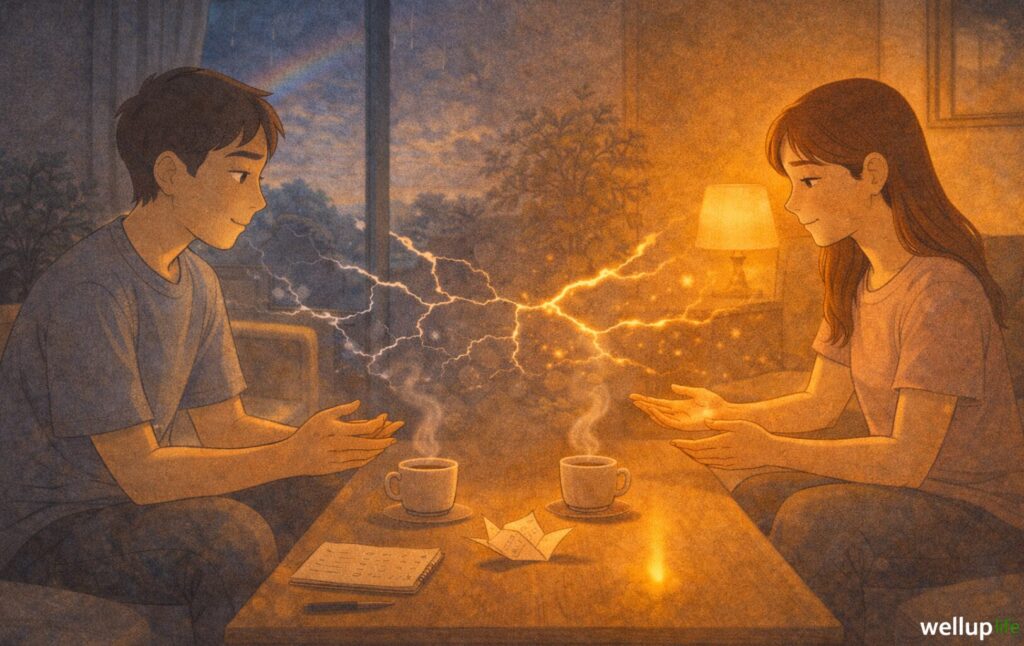
Every relationship, no matter how strong, has its share of disagreements. Couples fight for many reasons — from small misunderstandings to deeper emotional needs left unspoken. While occasional arguments are normal, recurring relationship conflicts often point to unresolved issues like miscommunication, financial stress, or a lack of quality time together.
Psychologists suggest that conflict itself isn’t harmful; rather, it’s how couples handle conflict that determines the health of the relationship [1]American Psychological Association. In fact, studies show that many triggers of anger in relationships—such as jealousy, unbalanced household responsibilities, or unmet intimacy needs—can be managed when partners recognize the root causes and work toward resolution [2]Gottman Institute.
In this article, we’ll explore the common reasons couples fight, why arguments escalate, and how you can transform these challenges into opportunities for deeper connection and understanding.
Arguments are a normal part of any relationship, but when the same conflicts keep popping up, it’s usually a sign of deeper issues. Understanding what commonly sparks these fights can help couples communicate better, resolve problems faster, and strengthen their connection. Let’s explore the most common reasons couples fight and why these conflicts arise.
Common Reasons:
One of the most common reasons couples fight is simple — miscommunication. Words left unsaid, tones misinterpreted, or assumptions made without clarity can quickly spiral into heated relationship conflicts. What one partner intends as a casual remark may be perceived by the other as criticism, creating unnecessary tension.
For example, imagine a situation where one partner says, “You never help around the house.” The intention may be to express frustration, but the choice of words triggers defensiveness. Instead of addressing the actual issue—uneven household responsibilities—the conversation turns into a blame game.
Psychologists note that communication breakdowns are at the core of most triggers of anger in relationships [1]American Psychological Association. When partners fail to listen actively or assume negative intent, even small issues snowball into bigger arguments.
How to Fix It
Building a habit of clear, empathetic communication not only reduces fights but also strengthens trust and emotional connection.
Another common reason couples argue is having different expectations about life, roles, or responsibilities. At the beginning of a relationship, it’s easy to assume you and your partner are on the same page. But over time, unspoken assumptions—about careers, finances, family planning, or even how weekends should be spent—can cause friction.
For instance, one partner may expect evenings to be “quality couple time,” while the other sees it as an opportunity to catch up on work. These unaligned priorities create a sense of disappointment, frustration, and eventually conflict.
According to relationship experts, unmet expectations are one of the most powerful triggers of anger in relationships, often leading to feelings of neglect or lack of appreciation. The problem is not necessarily the difference itself, but the failure to communicate and adjust expectations.
How to Fix It
When couples approach differences with empathy rather than judgment, they turn potential fights into opportunities to build stronger, more balanced partnerships.
Finances are one of the most sensitive and emotionally charged topics for couples. Disagreements about money in relationships are among the leading causes of recurring couples fights, sometimes even more than intimacy or communication issues.
The problem often isn’t just the lack of money, but rather the differences in spending and saving habits. One partner may be a saver, while the other prefers to spend on experiences. Or, one might expect joint financial planning, while the other prefers financial independence. These mismatches can breed resentment and trigger frequent relationship conflicts.
Research shows that financial stress increases tension in relationships, especially when couples avoid discussing it openly [3]National Library of Medicine. When ignored, money issues can spill into other areas of life, fueling anger and mistrust.
How to Fix It
Couples who face money matters as a team rather than as adversaries not only reduce fights but also build a stronger foundation of trust and stability in their relationship.
In today’s busy world, couples often get caught up in careers, family duties, and digital distractions, leaving little room for quality time together. Over time, this emotional distance becomes one of the strongest triggers of anger in relationships.
It’s not always about the quantity of time spent, but the quality of connection. Being physically present but emotionally absent—like scrolling on your phone during dinner—can make your partner feel undervalued and ignored. Eventually, this lack of attention fuels resentment and leads to frequent relationship conflicts.
Studies confirm that couples who regularly invest in meaningful shared time experience stronger emotional bonds and lower stress levels [4]Journal of Marriage and Family. Even small gestures—such as eating meals together without screens or sharing daily highlights—make a significant difference.
How to Fix It
When partners prioritize quality time, they reaffirm their importance in each other’s lives, reducing unnecessary fights and fostering deeper intimacy.
Few things strain a relationship as much as jealousy and trust issues. Whether it stems from past betrayals, insecurities, or external influences like social media, distrust can quickly escalate into repeated couples fights.
Even small triggers—such as a delayed text response, a friendly interaction with a colleague, or increased online activity—can spark suspicion. While jealousy often comes from fear of losing a loved one, it can create a cycle of accusations, defensiveness, and emotional distance.
Experts note that unresolved trust issues are among the top triggers of anger in relationships, as they affect both emotional safety and long-term commitment [5]Verywell Mind. A relationship without trust leaves both partners constantly on edge, turning minor concerns into full-blown arguments.
How to Fix It
Trust isn’t rebuilt overnight, but with patience, transparency, and emotional honesty, couples can transform jealousy from a destructive force into a path toward deeper understanding.
Another frequent source of relationship conflicts is the unequal division of household responsibilities. While this may seem like a minor issue, daily chores—such as cooking, cleaning, grocery shopping, or childcare—often carry emotional weight. When one partner feels overburdened, resentment builds, leading to repeated couples fights.
For example, if one partner consistently manages the kitchen, laundry, and bills while the other assumes it’s “not their job,” arguments are inevitable. What starts as frustration about dirty dishes can evolve into feelings of being undervalued and unappreciated.
Studies show that an imbalance in domestic duties is one of the most common triggers of anger in relationships, particularly in long-term partnerships [6]Pew Research Center. The perception of unfairness—rather than the actual workload—fuels many conflicts.
How to Fix It
When couples approach household responsibilities as a team effort, they replace tension with cooperation, creating a more supportive and peaceful home environment.
A lack of intimacy—whether physical or emotional—is one of the strongest triggers of anger in relationships. While many assume intimacy is only about physical closeness, it also includes feeling emotionally safe, valued, and understood. When these needs go unmet, frustration and distance set in, often sparking repeated couples fights.
For instance, one partner may crave more affection or quality conversations, while the other feels pressured or unaware of the unmet need. Over time, this gap leads to resentment, misunderstandings, and even questioning the stability of the relationship.
Psychologists emphasize that intimacy is not a luxury but a core pillar of healthy partnerships. Couples who neglect emotional and physical connection are more likely to experience relationship conflicts and long-term dissatisfaction [7]Psychology Today.
How to Fix It
When couples openly discuss and nurture each other’s emotional and physical needs, they not only reduce conflicts but also create a deeper sense of closeness and security.
Many couples’ fights don’t actually begin with the present moment—they are fueled by unresolved issues from the past. When earlier arguments are never fully addressed, they linger beneath the surface, ready to resurface during new disagreements. This cycle is often called “scorekeeping,” where each fight brings up a list of past mistakes rather than focusing on the issue at hand.
For example, a disagreement about being late to dinner may suddenly turn into a heated reminder of a forgotten anniversary years ago. Instead of solving today’s problem, partners rehash old wounds, creating a pattern of resentment.
Experts note that unresolved conflicts are among the most destructive triggers of anger in relationships, as they erode trust and emotional safety over time. Without closure, even small arguments become amplified by the weight of past grievances.
How to Fix It
Letting go of past resentments doesn’t mean forgetting—it means learning, forgiving, and choosing not to let yesterday’s conflicts sabotage today’s relationship.
Yes, occasional disagreements are normal in every relationship. What matters more is how conflicts are resolved. Healthy communication can turn fights into opportunities for growth rather than long-term damage.
Some of the most common triggers of anger in relationships include miscommunication, financial stress, lack of quality time, household responsibilities, jealousy, intimacy issues, and unresolved past conflicts.
Small issues usually escalate due to underlying frustrations. To reduce conflicts, couples should practice active listening, clarify expectations, and avoid reacting defensively. Creating rituals of connection also helps minimize unnecessary arguments.
Yes, frequent unresolved relationship conflicts can erode trust, intimacy, and emotional safety over time. However, with open communication and mutual effort, many couples are able to repair and even strengthen their bond.
Couples should consider therapy or counseling when fights become frequent, emotionally draining, or when past conflicts continually resurface. A professional can provide structured tools for healthier conflict resolution.
Fights in a relationship are not signs of failure—they are signals pointing to areas that need attention, understanding, and care. From miscommunication and financial stress to unmet emotional and intimacy needs, every argument offers an opportunity to strengthen the bond with your partner.
The key lies in awareness and action: openly discussing expectations, actively listening, sharing responsibilities, and addressing unresolved past conflicts can transform recurring couples’ fights into meaningful growth. By approaching challenges with empathy, trust, and patience, couples can reduce relationship conflicts and build a deeper, more resilient connection.
Remember, it’s not the absence of conflict that defines a healthy relationship—it’s how you navigate and resolve it together.
Read Next: How to Control Anger in Relationships: 11 Practical Techniques for Couples