Physical Address
304 North Cardinal St.
Dorchester Center, MA 02124

Physical Address
304 North Cardinal St.
Dorchester Center, MA 02124
Written By:
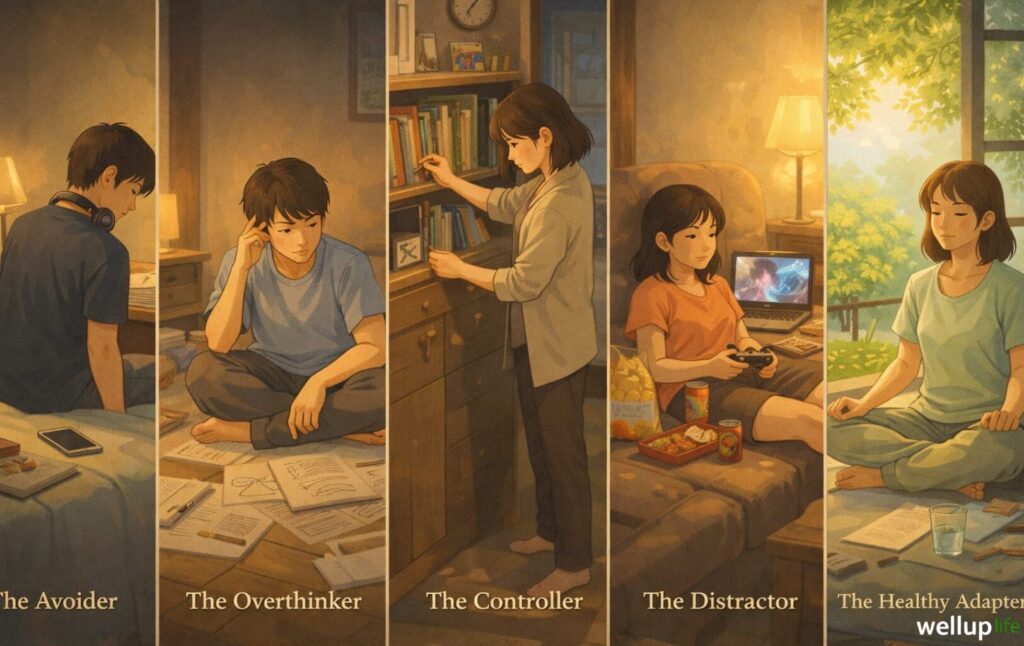
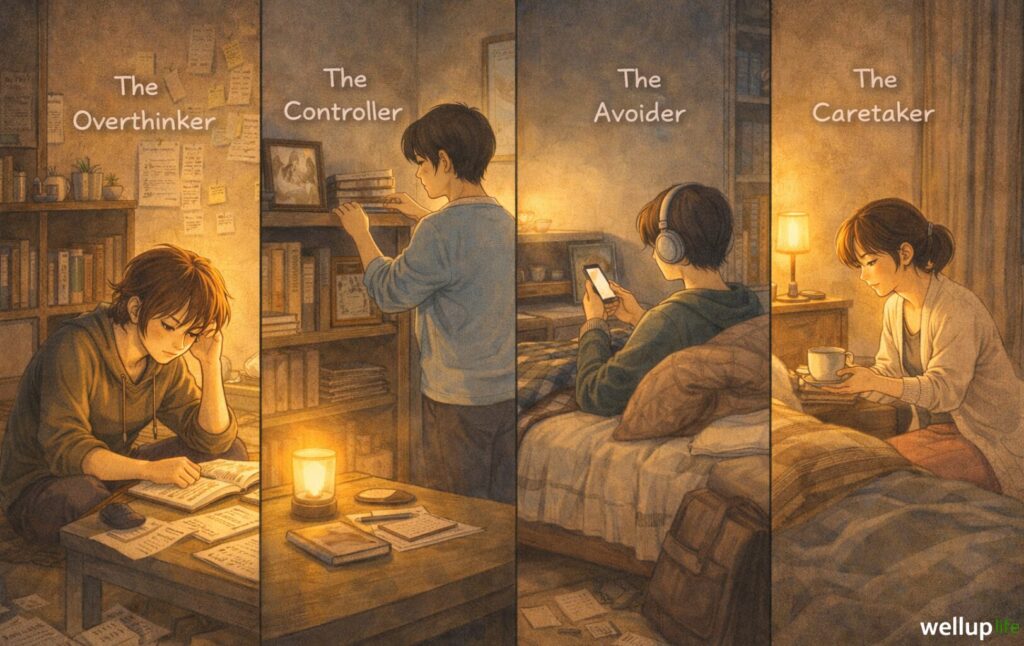
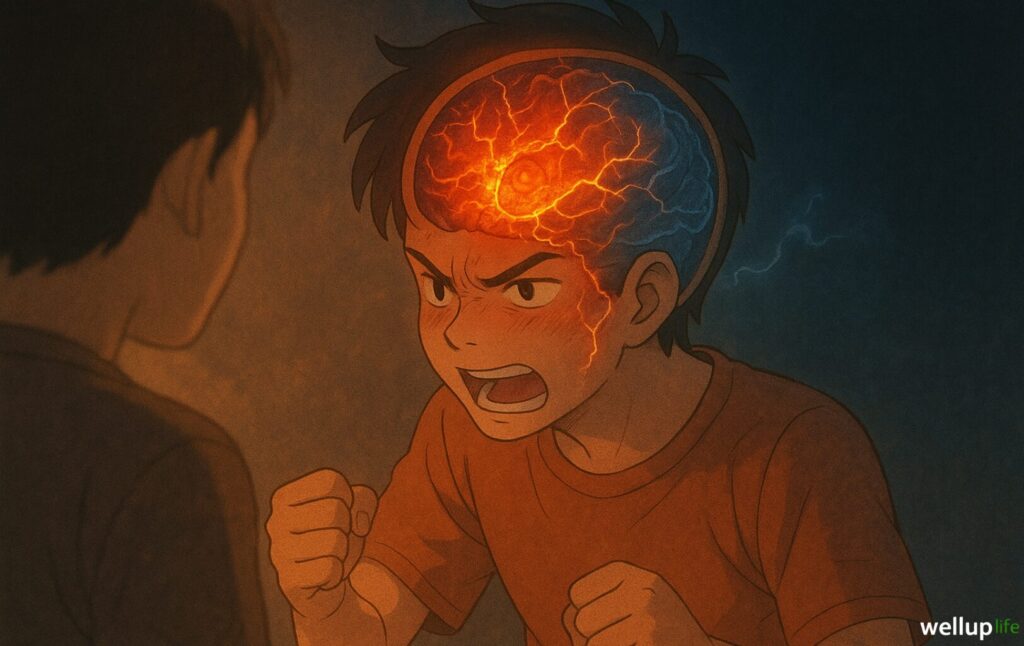
Anxiety shows up differently for everyone. Some of us distract ourselves and just push through, while others overthink, avoid certain situations, or try to control every little detail. These reactions aren’t random—they’re part of your unique coping style, shaping how your mind and body handle stress each day.
Understanding your anxiety coping style can be eye-opening. This short, self-reflection quiz isn’t meant to diagnose anything—but it can help you notice your patterns and discover ways to respond to stress a little more gently.
So take a moment, answer honestly, and let’s explore how you cope with anxiety—and how you might handle it in ways that feel healthier and more balanced.
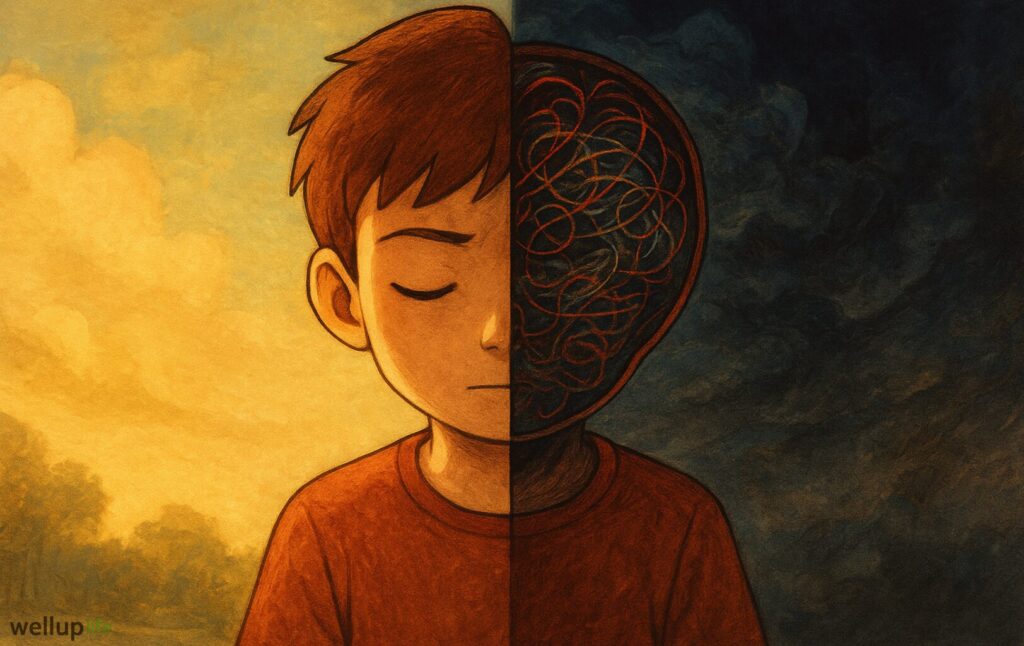
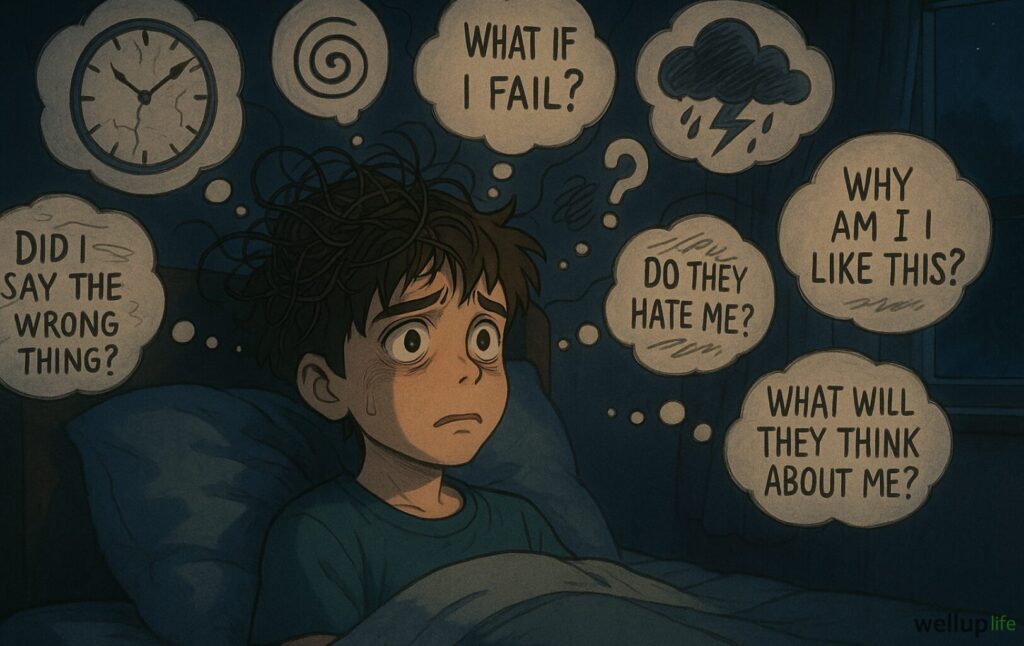
Anxiety isn’t just about what you feel—it’s about how you respond when those feelings show up. Your coping style influences whether anxiety fades after a stressful moment or lingers and grows over time. When you understand your default response, you gain clarity instead of feeling stuck in “Why am I like this?” mode.
Mental health research consistently shows that coping strategies affect both the intensity and duration of anxiety. Adaptive coping methods—such as problem-solving, emotional regulation, or seeking support—are linked to better psychological outcomes.
In contrast, avoidance-based or suppression-focused coping can reinforce anxiety and make it more persistent [1]The role of coping strategies in anxiety and stress management.
Knowing your coping style also helps you stop self-blame. Many people assume they’re “bad at handling anxiety,” when in reality, they’re using learned responses that once served a purpose.
Awareness allows you to replace unhelpful patterns with healthier ones—an approach widely used in cognitive and behavioral therapies for anxiety [2]Cognitive-Behavioral Treatments for Anxiety and Stress-Related Disorders.
Most importantly, understanding your anxiety coping style puts you back in control. It turns anxiety from a vague, overwhelming experience into something observable and manageable—giving you a practical starting point for change rather than another thing to worry about.
When anxiety kicks in, your reaction is usually automatic. You may not stop to analyze it—you just do what you’ve always done. That instinctive response is your anxiety coping style, shaped by personality, past experiences, and what has helped (or seemed to help) you get through stressful moments before.
This self-reflection quiz is based on general coping style models in psychology and is designed to help you better understand your response patterns. There are no right or wrong answers, and most people relate to more than one style.
Answer honestly based on what you usually do—not what you think you should do. Your results will help you recognize your dominant coping style and understand how it may be helping—or holding you back.
Take a deep breath, trust your instincts, and let’s begin.
Disclaimer: This quiz is intended for educational and self-reflection purposes only. It is not a clinical diagnostic tool and does not replace professional mental health advice.
Your results highlight the coping style you most often use when anxiety arises. This isn’t a diagnosis or a fixed label—just insight into your current patterns. Most people relate to more than one style, and that’s normal.
Recognizing how you cope with anxiety is an important first step toward healthier responses. Read through each coping style below carefully. Understanding your patterns helps you choose responses that support long-term well-being.
You cope with anxiety by stepping away from what feels overwhelming. This may include procrastinating, withdrawing, or emotionally shutting down. Avoidance can bring short-term relief, but it often keeps anxiety alive by preventing you from building confidence through gradual exposure.
You respond to anxiety by analyzing it. Your mind replays situations, searches for meaning, and imagines different outcomes. While insight is a strength, excessive rumination can intensify anxiety rather than resolve it.
You manage anxiety by planning, organizing, and trying to stay in control. Structure helps you feel safe, but anxiety can spike when things don’t go as expected. Flexibility is key to reducing stress with this style.
You cope by staying busy or redirecting your attention. Distraction can be helpful in the moment, but constant avoidance of emotions may lead to emotional buildup or burnout over time.
You acknowledge anxiety and respond intentionally. You use coping tools, self-awareness, and acceptance to move through stress rather than fight it. This style supports long-term emotional resilience and balance.
Note: The coping styles described here are informational and should not be interpreted as medical or psychological diagnoses.
Not all coping strategies work the same way. Some help calm your mind and body, making it easier to handle stress and build long-term resilience.
Others might give you quick relief but can actually make anxiety stick around or feel worse over time. Knowing the difference can help you respond to stress in ways that truly support your well-being.
Healthy coping strategies often include:
Unhealthy coping strategies can look like:
The goal isn’t to get rid of anxiety completely—it’s about learning to respond in ways that help it pass without taking over your life. Even small changes toward healthier coping can make a noticeable difference over time.
Improving the way you cope with anxiety doesn’t mean changing who you are. It’s about learning to respond with intention when anxious thoughts or feelings show up. Even small, consistent shifts in your approach can make anxiety feel less overwhelming and help you stay grounded.
Here are some practical ways to strengthen your coping skills:
Remember, healthy coping isn’t a trait you’re born with—it’s a skill you can develop. With practice, your responses to anxiety can become calmer, more flexible, and far more supportive of your mental and emotional well-being.
Self-help strategies and coping tools can be effective for managing everyday anxiety, but sometimes anxiety becomes too overwhelming to handle alone. Seeking professional support isn’t a sign of weakness—it’s a proactive step toward healing and stability.
Mental health professionals recommend reaching out for help when anxiety is persistent, interferes with daily functioning, or causes significant distress over time.
You may benefit from professional support if:
Therapists, counselors, and medical professionals can help identify underlying patterns and teach evidence-based coping strategies. Getting support early can make anxiety more manageable and prevent it from becoming more disruptive over time.
Yes. Coping styles are learned responses, not fixed traits. With awareness, practice, and support, many people develop healthier ways to respond to anxiety over time.
No single style is “best.” Some coping patterns are more adaptive than others, but each style developed for a reason. The goal is to strengthen healthy responses while reducing habits that increase anxiety.
Absolutely. Most people use a mix of coping styles depending on the situation, stress level, and life circumstances. Your quiz result reflects your most common pattern, not your entire experience.
Not at all. Unhealthy coping mechanisms are common, especially during prolonged stress. They’re signals that your mind and body need support—not signs of failure.
Yes. Research shows that awareness of coping patterns improves emotional regulation and supports better anxiety management over time.
Anxiety is a natural part of life, but how you respond to it shapes your day-to-day experience. Understanding your anxiety coping style gives insight into patterns that either help you navigate stress or keep it lingering. Awareness empowers you to make intentional choices, instead of reacting on autopilot.