Physical Address
304 North Cardinal St.
Dorchester Center, MA 02124

Physical Address
304 North Cardinal St.
Dorchester Center, MA 02124
Written By:
Reviewed By:

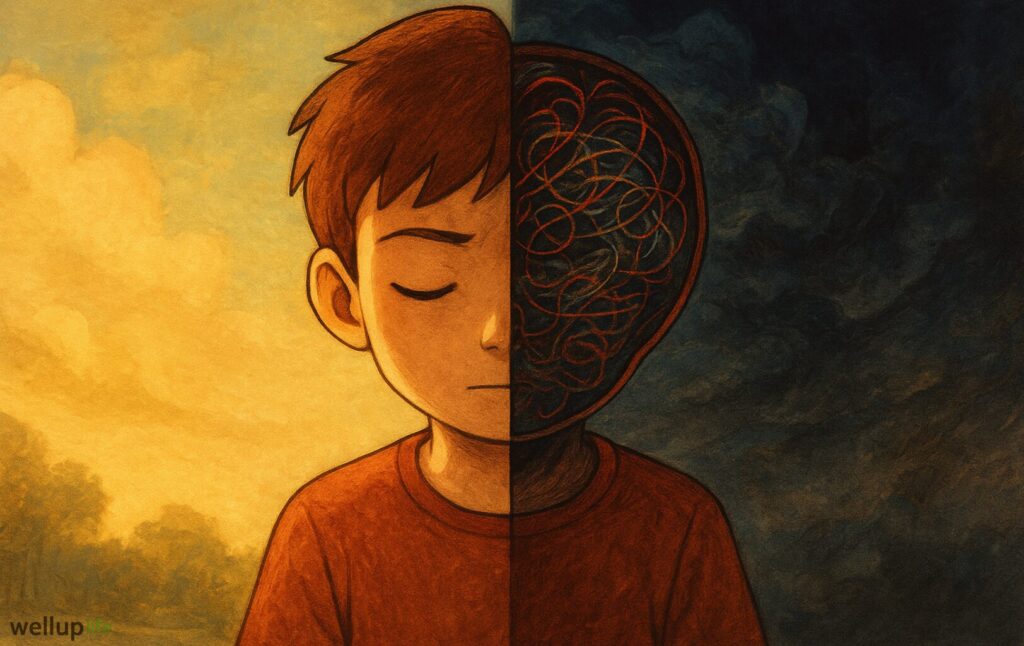
In a world filled with constant stress, uncertainty, and noise, many people are turning back to ancient wisdom for clarity and peace of mind. One philosophy that continues to guide modern thinkers, leaders, and ordinary people alike is Stoicism.
At its heart, Stoicism teaches us how to live a virtuous and balanced life—by focusing on what we can control and accepting what we cannot. Rather than suppressing emotions, it helps us develop inner strength, self-awareness, and emotional resilience. Founded in ancient Greece and later embraced by great Roman thinkers, Stoicism remains deeply relevant in today’s fast-paced, anxious world.
Whether you’re a student, professional, or seeker of peace, Stoicism offers timeless lessons for living with purpose, calm, and wisdom. In this beginner’s guide, you’ll discover where Stoicism came from, its core principles, and practical ways to apply it in everyday life.
Stoicism began in ancient Greece around the early 3rd century BCE. It was founded by Zeno of Citium, a merchant who turned to philosophy after losing everything in a shipwreck. Seeking wisdom and peace of mind, Zeno studied under various philosophers in Athens before developing his own school of thought. He began teaching in a public place called the Stoa Poikile, or “Painted Porch,” from which the word Stoicism was born.
The early Stoics—Zeno, Cleanthes, and Chrysippus—focused on how human beings could live in harmony with nature and reason. They believed that true happiness doesn’t come from wealth, fame, or external success, but from living a life of virtue and self-mastery.
When Stoicism later spread to Rome, it evolved into a practical guide for everyday living. Thinkers like Seneca, Epictetus, and Marcus Aurelius shaped Stoicism into a philosophy for rulers, soldiers, and common citizens alike. Despite the centuries that have passed, their writings continue to inspire people who seek stability and meaning in a chaotic world.
“You have power over your mind—not outside events. Realize this, and you will find strength.”
— Marcus Aurelius, Meditations [1]Marcus Aurelius, Meditations, Book 8, Section 47
At its foundation, Stoicism is a philosophy of personal strength, virtue, and rational living. It teaches that while we can’t control external events, we can always control how we respond to them. This mindset forms the base of emotional stability and inner freedom.
The Stoic worldview rests on a few essential principles that guide both thought and behavior:
The Stoics believed that peace comes from distinguishing between what’s within our control—our actions, judgments, and choices—and what isn’t, such as other people’s opinions, the weather, or fate itself. When we accept this truth, we stop wasting energy on things beyond our reach.
“We suffer more often in imagination than in reality.” — Seneca [2]Seneca, Letters from a Stoic, Letter XIII
To the Stoics, living “according to nature” means aligning our behavior with reason, morality, and the natural order of the universe. Every human has the ability to think rationally, and using that power helps us act with integrity and wisdom.
Stoicism defines virtue—not pleasure, power, or material success—as the key to happiness (eudaimonia). Virtue means doing what is right, regardless of the circumstances. It involves practicing wisdom, justice, courage, and temperance in daily life.
Events themselves are neutral; what disturbs us is how we interpret them. By mastering our perceptions, we reduce emotional turmoil and see challenges as opportunities for growth. This principle deeply influenced modern cognitive-behavioral therapy (CBT), which also teaches that changing our thoughts can change our emotions and actions [3]Robertson, D. (2010). The Philosophy of Cognitive-Behavioral Therapy (CBT): Stoic Philosophy as Rational and Cognitive Psychotherapy. Karnac Books..
The Stoics practiced amor fati, or “love of fate”—the acceptance of whatever happens as part of the greater design of the universe. By embracing reality rather than resisting it, we free ourselves from frustration and build resilience.
Together, these principles form a practical roadmap for living with peace, courage, and purpose—no matter what life brings.
At the center of Stoic philosophy are the Four Cardinal Virtues—Wisdom, Courage, Justice, and Temperance. These virtues are the foundation of moral character and guide how a person should think, act, and live. The Stoics believed that living in harmony with these virtues leads to true happiness and inner peace.
Wisdom is the ability to see things clearly and make sound decisions based on truth and reason. It’s about understanding what is good, bad, or indifferent, and acting accordingly. A wise person doesn’t react impulsively but responds with calm judgment. As Epictetus said, “It’s not what happens to you, but how you react to it that matters.” [4]Epictetus, Enchiridion, Chapter 5.
Courage in Stoicism isn’t just bravery in danger—it’s the strength to do what’s right even when it’s difficult. It’s facing pain, loss, or fear without losing integrity. Courage gives us the confidence to stand firm in our values, no matter how uncomfortable the situation.
Justice means treating others with fairness, kindness, and respect. The Stoics believed that humans are part of a greater community and that our duty is to act with moral responsibility toward others. Marcus Aurelius often reminded himself that “what is not good for the hive is not good for the bee,” highlighting our shared connection and duty to one another [5]Marcus Aurelius, Meditations, Book 6, Section 54.
Temperance is the practice of self-control and moderation. It’s the ability to balance desires, avoid excess, and live a disciplined life. For the Stoics, freedom doesn’t come from indulging every impulse but from mastering them. When we practice temperance, we stay grounded and in control of ourselves.
Together, these four virtues form a complete moral compass. When practiced consistently, they help us live in alignment with reason, develop resilience, and maintain peace of mind even in chaos.
Stoicism isn’t meant to stay confined to books or philosophy discussions. It’s a living philosophy, designed to be practiced daily. The Stoics believed that wisdom only matters when applied—how we think, act, and respond to challenges defines our character.
Here are a few ways to bring Stoic principles into everyday life:
Start your day with intention. The Stoics often began their mornings by preparing for the day ahead. Marcus Aurelius reminded himself that he would meet people who are selfish, arrogant, or ungrateful, yet he chose to stay calm and kind anyway. This mindset helps us begin each day grounded in patience and perspective.
Writing down your thoughts, actions, and emotions helps build self-awareness. Seneca advised reflecting every evening on what went well, what didn’t, and how to improve tomorrow. This practice turns philosophy into personal growth.
This Stoic exercise involves imagining potential setbacks or losses—not to dwell on fear, but to prepare the mind. When you visualize challenges, you become mentally ready for them and more grateful for what you already have. Modern psychology supports this mindset training as a way to reduce anxiety and increase gratitude.
Whenever you face a stressful situation, pause and remind yourself: “Is this within my control?” If not, let it go. This simple Stoic pause helps you act rationally instead of reacting emotionally. It’s a powerful tool to manage stress and stay composed.
A Stoic learns to appreciate every moment as it is. By accepting reality instead of resisting it, we save ourselves from unnecessary frustration. As Epictetus said, “Don’t seek for everything to happen as you wish it would, but rather wish that everything happens as it actually will—and your life will be serene.” [6]Epictetus, Enchiridion, Chapter 8.
These small but meaningful practices can transform how we see the world. The more consistently you apply them, the more you’ll find strength, peace, and clarity within yourself—no matter what’s happening around you.
The wisdom of Stoicism lives on through the writings and lives of several remarkable thinkers. Each of them taught that philosophy is not just theory—it’s a way of living with dignity, self-control, and purpose.
Zeno was the founder of Stoicism. After losing his wealth in a shipwreck, he turned to philosophy to find meaning and peace. His teachings emphasized aligning one’s life with reason and virtue, regardless of fortune or hardship. Zeno’s vision laid the foundation for all Stoic thought, showing that philosophy could be a guide to everyday life.
Seneca, a Roman statesman and writer, blended Stoic principles with practical advice for daily living. His letters and essays, such as Letters from a Stoic and On the Shortness of Life, teach emotional control, time management, and moral strength. Seneca’s message remains timeless—true wealth lies in character, not possessions.
Born a slave in Rome, Epictetus became one of the most influential Stoic teachers. He taught that freedom comes not from external circumstances but from mastering one’s mind. His teachings, preserved in The Enchiridion and Discourses, remind us that we always have power over our attitude and choices—even in suffering.
As a Roman Emperor and philosopher, Marcus Aurelius embodied Stoicism in action. His personal journal, Meditations, reveals his struggles to remain humble, disciplined, and kind amid the pressures of ruling an empire. His reflections on fate, control, and virtue continue to guide millions today.
These thinkers didn’t just preach philosophy—they lived it. Their lives prove that Stoicism is not about detachment from the world, but about engaging with it wisely and courageously. Their words still serve as a compass for anyone seeking calm and purpose in modern life.
The principles of Stoicism are more than two thousand years old, yet they align remarkably well with modern psychology and mental health practices. At its core, Stoicism teaches emotional regulation, resilience, and self-awareness—skills that today’s therapists often encourage through methods like Cognitive Behavioral Therapy (CBT).
Psychologists have long recognized the parallels between Stoic philosophy and CBT. Both focus on how our thoughts shape our emotions and behaviors. By challenging irrational beliefs and reframing negative thoughts, we can manage stress and anxiety more effectively.
Stoicism trains the mind to remain calm in adversity. By focusing only on what’s within our control and letting go of the rest, we develop mental strength. This mindset reduces overthinking and helps people navigate uncertainty with balance. It’s a practical approach to handling everything from workplace pressure to personal loss.
Modern mindfulness practices also echo Stoic ideas. The Stoics taught presence—living in the current moment rather than worrying about the past or future. Marcus Aurelius wrote, “Confine yourself to the present,” urging a mindful focus on what is here and now.
Practicing Stoic reflection and journaling helps identify thought patterns that cause distress. Instead of being ruled by emotions, Stoicism encourages observing them with calm awareness. This doesn’t mean suppressing feelings—it means understanding them and responding wisely.
In an era of information overload, emotional burnout, and uncertainty, Stoicism offers clarity. It provides a grounded way to face modern struggles without being overwhelmed by them. Whether through meditation, gratitude, or rational reflection, Stoic practices help build emotional balance and inner peace—qualities that modern mental health care deeply values.
Despite its growing popularity, Stoicism is often misunderstood. Many people associate it with emotional suppression or cold detachment, but those ideas miss the true purpose of the philosophy. Stoicism isn’t about rejecting emotions—it’s about mastering them. Let’s clear up some of the most common misconceptions.
This is perhaps the biggest myth. Stoics experience emotions like anyone else. What they avoid is being controlled by emotions. The goal is not to suppress feelings but to understand them and respond rationally. As Seneca explained, “The wise man will not be angry, but he will feel anger; he will be moved, but not overthrown.”.
Stoics don’t detach from life—they engage with it fully. They simply understand that external outcomes don’t define inner peace. By accepting reality as it is and focusing on virtue, Stoics live with more presence and gratitude, not less.
Stoicism isn’t a religion; it’s a philosophy and way of life. While it involves deep reflection on nature, fate, and human purpose, it doesn’t depend on worship or divine rules. Stoicism can complement any belief system—or none at all—because it focuses on reason and ethical living.
Far from it. Stoicism teaches optimism through acceptance and resilience. Instead of wishing for a perfect world, Stoics find peace by working with what they have. They see obstacles as opportunities for growth, turning hardship into strength.
Although Stoicism began over two millennia ago, its lessons on self-control, perspective, and compassion are timeless. In fact, Stoic principles are now supported by modern psychology, neuroscience, and mindfulness research.
Stoicism isn’t about becoming emotionless—it’s about becoming emotionally intelligent. It’s a mindset that empowers you to face life’s challenges calmly, act with integrity, and find meaning in every moment.
The beauty of Stoicism lies in its simplicity—profound truths expressed in a few powerful lines. These timeless Stoic quotes remind us how to live with calm, purpose, and moral clarity. You can reflect on them during meditation, journaling, or challenging moments in life.
You have power over your mind—not outside events. Realize this, and you will find strength.
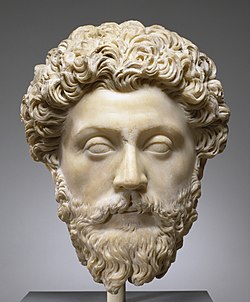 — Marcus Aurelius
We suffer more often in imagination than in reality.
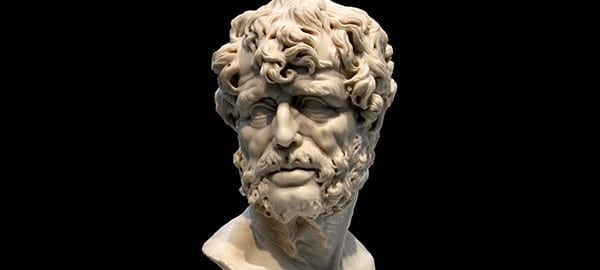 — Seneca
It’s not what happens to you, but how you react to it that matters.
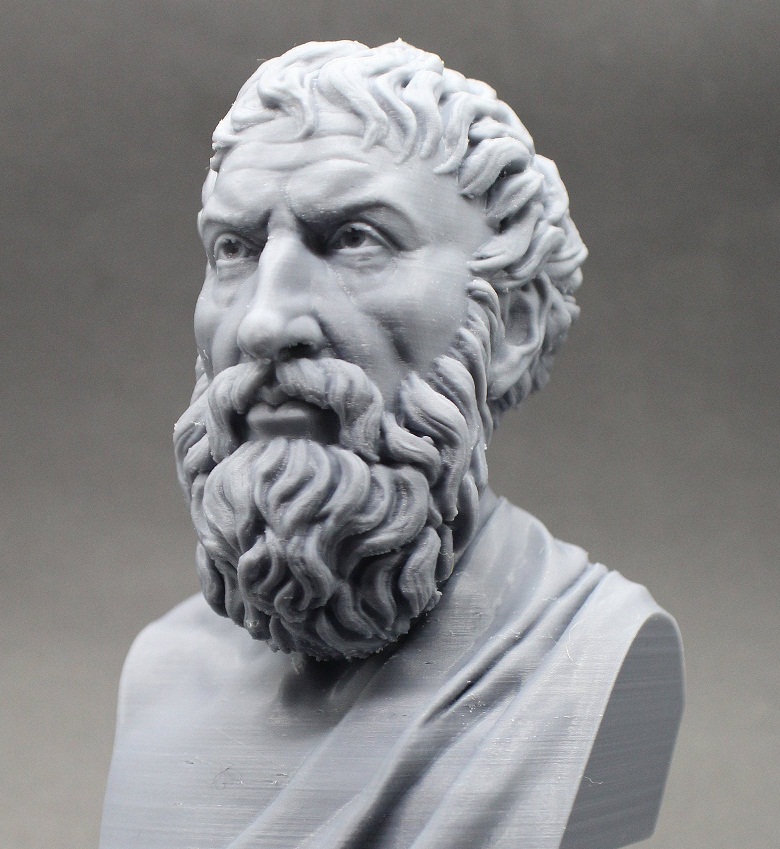 — Epictetus
No man is free who is not master of himself.
— EpictetusHe who fears death will never do anything worthy of a living man.
— SenecaWaste no more time arguing about what a good man should be. Be one.
— Marcus AureliusMan conquers the world by conquering himself.
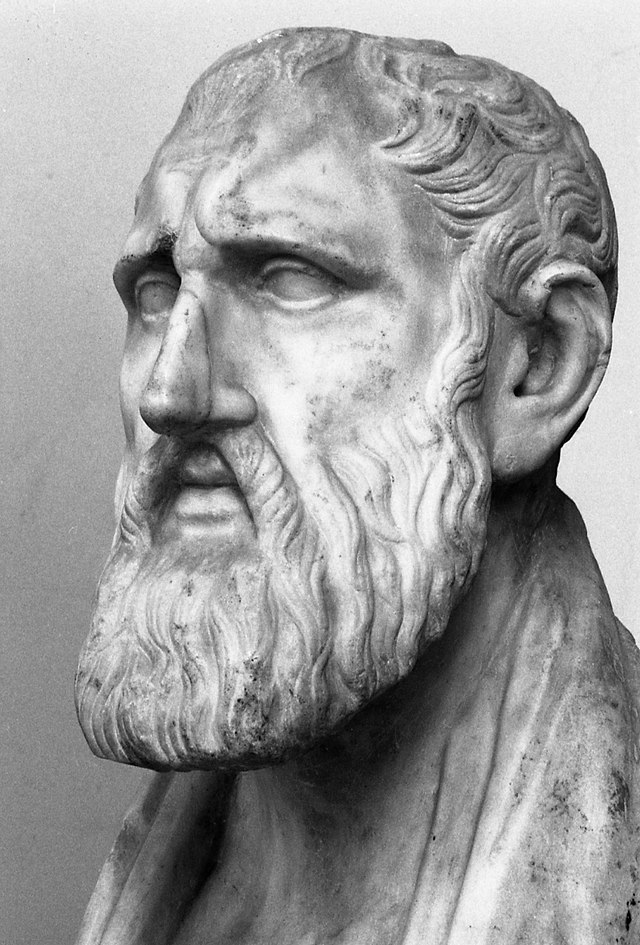 — Zeno of Citium
These quotes aren’t just ancient words—they’re tools for inner transformation. Reflect on them regularly, and you’ll notice how Stoic thinking gradually shapes your mindset toward calm strength and deeper self-awareness.
Stoicism isn’t just ancient philosophy—it’s a timeless guide for living a grounded, meaningful life. In a world that often pushes us toward anxiety, comparison, and distraction, Stoicism offers calm clarity. It reminds us that peace comes not from changing the world, but from mastering ourselves.
At its core, Stoicism teaches three things:
By applying these principles through reflection, gratitude, and discipline, you can face challenges with greater resilience and confidence. Stoicism doesn’t promise a life without pain—it promises the strength to endure it with grace.
As Marcus Aurelius wrote, “The happiness of your life depends upon the quality of your thoughts.” When you start practicing Stoic wisdom daily, you realize that peace isn’t found in external success but in inner stability and self-awareness.
Whether you’re starting your journey or deepening your understanding, Stoicism offers a compass—a reminder that wisdom, courage, justice, and temperance still define the good life, just as they did two thousand years ago.
Read Next: 10 Stoic Ways To Stop Overthinking