Physical Address
304 North Cardinal St.
Dorchester Center, MA 02124

Physical Address
304 North Cardinal St.
Dorchester Center, MA 02124
Written By:

Have you ever noticed someone holding onto one relationship while already reaching for the next? In the world of modern dating, this behavior has a name—monkey branching. Just like a monkey swings from one branch to another without letting go until it feels secure, a person who monkey branches moves toward a new partner before fully ending things with their current one.
At first, it may look like simple flirting or harmless “friendship,” but the truth is, monkey branching often signals emotional disconnection, fear of being alone, or even deeper issues of insecurity. Psychologists explain that people who struggle with low self-esteem or anxious attachment are more likely to seek validation outside their relationship—even before it officially ends SourceAttachment Theory and Romantic Relationships .
Why should you care? Because recognizing the red flags of monkey branching early on can save you from confusion, heartbreak, and wasted emotional energy. It’s not just about spotting betrayal—it’s about protecting your own well-being and making informed choices in love.
The term “monkey branching” comes from the image of a monkey swinging through the trees—never letting go of one branch until it has a firm grip on the next. In relationships, it describes someone who begins forming a new romantic or emotional connection while still involved with their current partner.
Unlike a healthy breakup where one chapter closes before another begins, monkey branching often involves overlap. That overlap could be emotional—like confiding in someone new or building intimacy—or even physical, where attraction crosses into flirting or cheating. In both cases, the partner isn’t truly single before moving on.
What makes monkey branching so damaging is the lack of honesty. Instead of facing relationship issues head-on, the person creates a “backup plan” in the form of another partner. This behavior often stems from fear of loneliness, low self-confidence, or a desire for constant excitement SourceWhy People Struggle to Break Up .
Put simply: monkey branching isn’t just about moving on quickly—it’s about avoiding emotional accountability and keeping one foot in two different relationships at once.
If you’ve ever been on the receiving end of monkey branching, the first question that comes to mind is usually “Why?” Why would someone invest in a new relationship before closing the chapter on the current one? The truth is, monkey branching usually has less to do with the partner being “not enough” and more to do with the internal struggles of the person doing it.
Here are some of the most common reasons people monkey branch in relationships:
For some, the idea of being single—even briefly—feels unbearable. Instead of taking time to process a breakup, they line up another partner so they’re never without companionship. Research shows that people with a higher fear of loneliness are more likely to engage in “relationship overlap” behaviors SourceFear of Loneliness and Relationship Behaviors .
Monkey branching can be a way to seek constant validation. A partner who doesn’t feel secure in themselves may crave external attention to reassure their worth. Unfortunately, this often creates a cycle of dependency where they’re never satisfied with one relationship.
For some individuals, the comfort of a stable relationship eventually feels dull. They may begin seeking new “thrills” elsewhere while keeping the security of their current partner. This grass-is-greener syndrome makes them believe happiness lies in the next relationship, not realizing the problem may be within.
Instead of confronting issues like lack of intimacy or growing distance, some people look for an “exit strategy.” Monkey branching becomes an easier route than addressing problems honestly. As one study on avoidance behaviors notes, people who fear confrontation often look for indirect ways to escape SourceAvoidant Coping and Relationship Problems .
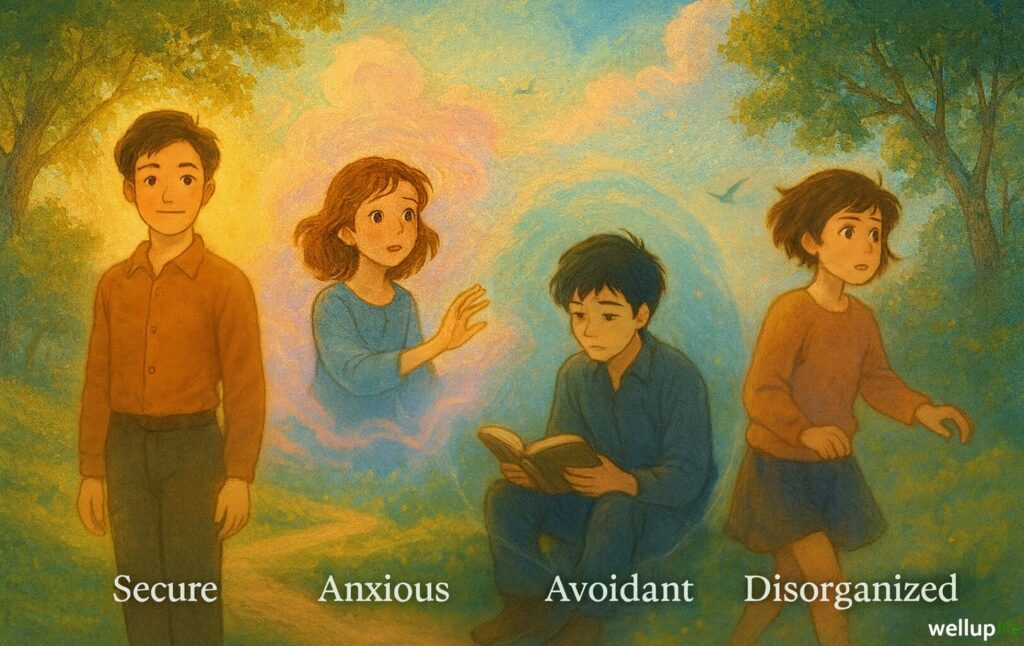
Psychologists often link monkey branching to insecure attachment styles, particularly anxious-preoccupied (craving reassurance and fearing abandonment) and avoidant-dismissive (avoiding emotional closeness) SourceAttachment Styles and Intimate Relationships . These attachment patterns shape how people approach love, commitment, and breakups, often making it harder to navigate relationship challenges in a healthy way.
It’s important to remember that monkey branching isn’t about instantly finding “true love”—it’s usually a way to fill an emotional void or seek validation. Understanding these underlying reasons doesn’t justify the behavior, but it does shed light on why it happens so frequently, helping you approach the situation with clarity and compassion.
Monkey branching often starts subtly—it’s not always obvious at first glance. But if you pay attention, certain patterns begin to emerge. Here’s the first major red flag to watch for:
One of the clearest signs of monkey branching is when your partner becomes unusually protective of their phone. They may:
While everyone deserves privacy, a sudden shift in behavior is what makes this concerning. If your partner once casually left their phone around but now guards it like a secret vault, it could indicate they’re nurturing a new connection.
Research on digital communication and relationships shows that secrecy around technology is often linked to emotional or romantic involvement outside the relationship SourceDigital Infidelity in Romantic Relationships .
Another telltale sign of monkey branching is when your partner begins pulling away emotionally. Maybe they used to share every detail of their day, ask for your advice, or lean on you for comfort—but suddenly, the conversations grow shallow.
You may notice things like:
This emotional withdrawal often happens because your partner is already redirecting their emotional energy elsewhere. They might be confiding in the “new person” instead of you, creating a slow but steady distance in your bond.
Psychologists call this emotional displacement, where intimacy shifts from one relationship to another long before the first one ends SourceEmotional Infidelity and Relationship Distress .
It’s normal for people in relationships to have friends outside the partnership. But when one “friend” starts taking up an unusual amount of your partner’s time, energy, and attention, it may be more than just friendship.
Signs to look for include:
The key red flag here isn’t the friendship itself—it’s the imbalance. If your partner seems emotionally invested in this person in ways that once belonged to your relationship, it could mean they’re grooming the next “branch.”
According to relationship studies, excessive closeness with an alternative partner often predicts romantic transition—meaning your partner may already be halfway into the new relationship while still with you SourceAlternative Partners and Relationship Transitions .
A subtle but painful sign of monkey branching is when your partner begins to criticize you more often while speaking highly of someone new. This can sound like:
What’s happening here is a psychological process called idealization and devaluation. They devalue you (by focusing on flaws) while idealizing the new person (seeing them as perfect). This makes it easier for them to justify pulling away from the current relationship and leaning toward the next.
Studies on romantic transitions show that comparisons with potential partners are one of the strongest predictors of dissatisfaction in a current relationship SourceComparisons and Relationship Dissatisfaction .
So if your partner seems to constantly put you down while lifting someone else up, it’s not just hurtful—it may be a sign they’re preparing to swing to the next branch.
Another warning sign of monkey branching is when your partner starts avoiding discussions about the future—big or small. Things that used to excite them, like planning trips, talking about moving in together, or even discussing long-term goals, suddenly feel uncomfortable or get postponed indefinitely.
You might notice:
This withdrawal often indicates that your partner’s emotional investment is shifting elsewhere. If they’re already envisioning a future with someone new, your shared plans naturally take a backseat.
Relationship experts note that a sudden disinterest in mutual future plans is a strong predictor of emotional disengagement SourceEmotional Disengagement in Romantic Relationships .
A partner who is monkey branching may start picking unnecessary fights or blowing small issues out of proportion. These arguments can feel confusing or even trivial, but they often serve a hidden purpose: creating emotional distance.
Signs to watch for include:
Psychologists explain that this behavior is a form of relationship avoidance. By stirring up conflict, the partner gains a justification to withdraw emotionally and physically, making it easier to invest in someone new without feeling guilty SourceConflict Avoidance and Relationship Dissolution .
In short, these frequent fights aren’t always about anger—they’re often a subtle exit strategy.
A final and often unmistakable sign of monkey branching is when your partner bounces quickly into a new relationship after the breakup. While some people naturally recover faster than others, a rebound that happens almost immediately—or even overlaps with your relationship—signals that they were emotionally preparing for the next connection in advance.
You might notice:
Relationship research suggests that rapid transitions to new partners often indicate preexisting emotional investment elsewhere SourceRebound Relationships and Emotional Transition .
Recognizing this pattern can be painful, but it’s crucial for protecting your emotional health. Understanding these red flags allows you to set boundaries and make informed decisions about your relationship before investing more time and energy.
One question many people ask is whether monkey branching counts as cheating. The short answer: it depends, but there are important distinctions—and overlaps.
Cheating typically involves physical or sexual infidelity, while monkey branching can be emotional, psychological, or even physical. A partner may develop feelings for someone new, confide in them, or plan a future together—all before ending their current relationship. In this sense, monkey branching is often a precursor to cheating, but it’s still a betrayal because it breaks the trust and exclusivity expected in a committed relationship.
Here are more ways they differ:
| Aspect | Cheating | Monkey Branching |
|---|---|---|
| Timing | Usually occurs after the relationship is established. | Begins before the current relationship ends. |
| Type of Involvement | Often physical or sexual, sometimes emotional. | Often emotional first, may or may not become physical. |
| Visibility | Can be secretive, but sometimes obvious. | Often subtle and hidden, making it harder to detect. |
| Intent | Immediate gratification or desire outside the relationship. | Preemptive security—keeping a “backup” before letting go. |
| Emotional Impact | Betrayal felt suddenly after the act. | Gradual emotional distance; confusion builds over time. |
| Perception by Society | Widely recognized as wrong. | Sometimes dismissed as harmless “talking to someone,” but can be equally damaging. |
Both behaviors erode trust, but monkey branching can be even sneakier because it creates emotional dependence on two people simultaneously, making the betrayal feel confusing and prolonged.
Relationship experts note that emotional infidelity and preemptive attachment to new partners—the hallmarks of monkey branching—can be just as harmful as physical cheating, because they disrupt intimacy and security in the current relationship SourceEmotional Infidelity and Relationship Outcomes .
In short, while not always physically intimate, monkey branching sets the stage for heartbreak and is a strong warning sign to reassess your relationship.
Discovering that your partner may be monkey branching can be painful and confusing. But knowing the right steps can help you protect your emotional well-being and make informed decisions about your relationship. Here’s how to handle it effectively:
Start by addressing your concerns directly. Use “I” statements to express how their behavior makes you feel, without accusing them. For example:
Clear communication gives your partner a chance to explain their actions—or admit if they’ve been emotionally investing elsewhere.
It’s easy to be swayed by what someone says, but actions almost always reveal their true intentions. Watch for consistent patterns such as secrecy, emotional distance, or changing priorities. If these behaviors persist despite honest conversations and reassurances, it’s a strong sign that the relationship may not be healthy or balanced. Remember, words can promise commitment—but only actions prove it.
Boundaries protect your emotional health. Decide what behavior is unacceptable and communicate it clearly. Examples include:
Healthy boundaries help prevent further emotional harm.
Sometimes, professional guidance is invaluable. A couples therapist can help both partners understand attachment patterns, insecurities, and communication gaps, while individual therapy can help you heal, set boundaries, and rebuild self-esteem.
If your partner continues monkey branching despite your conversations and boundaries, it may be time to step away. Recognize that staying in a relationship with someone who is emotionally invested elsewhere can drain your energy and self-worth. Walking away is not giving up—it’s choosing your emotional health and future happiness.
Key Takeaway: Handling a monkey branching partner requires honesty, observation, and firm boundaries. Empower yourself with knowledge, and don’t compromise your emotional well-being for someone who isn’t fully committed.
While you can’t control someone else’s choices, there are ways to reduce the risk of monkey branching in your relationship and build a stronger, more secure bond. Prevention often starts with communication, trust, and emotional awareness.
A deep emotional bond reduces the likelihood that your partner will seek fulfillment elsewhere. Invest in quality time, meaningful conversations, and shared experiences. Ask open-ended questions, listen actively, and make your partner feel valued and understood.
Open communication about expectations, boundaries, and feelings builds trust. Share your thoughts without blame, and encourage your partner to do the same. Transparency in both words and actions creates a foundation where emotional overlap with others is less likely.
Don’t wait for small problems to snowball. Discuss issues like boredom, emotional distance, or unmet needs before they push your partner toward someone else. Proactive problem-solving shows that you care and are committed to the relationship.
Partners who focus on self-improvement, hobbies, and emotional well-being are less likely to seek validation elsewhere. By supporting each other’s growth, both partners can feel fulfilled individually while staying connected as a couple.
Healthy boundaries prevent misunderstandings and protect both partners. Clarify what level of interaction with others is acceptable, and make sure both of you are comfortable with these agreements. Boundaries create security, which reduces the temptation to “swing to the next branch.”
Key Takeaway: Monkey branching may not always be preventable, but strong communication, emotional intimacy, and trust can significantly lower the risk. Healthy relationships thrive when both partners are present, engaged, and committed to addressing issues together.
Monkey branching is when someone starts emotionally or romantically investing in another person before ending their current relationship. It’s like keeping a “backup partner” ready, which often signals insecurity or fear of being alone.
Not always. Cheating usually involves physical or sexual infidelity, while monkey branching often begins with emotional attachment. However, both break trust and can damage the relationship.
Signs include secrecy around phone or social media, less emotional intimacy, sudden interest in a new “friend,” talking negatively about you while praising someone else, frequent fights, withdrawal from future plans, and quick rebounds after breakups.
People often monkey branch due to insecure attachment styles, fear of loneliness, low self-esteem, or a need for constant validation. It’s less about true love and more about avoiding emotional discomfort.
The best approach is to communicate openly, watch their actions instead of just words, set firm boundaries, and consider counseling if needed. If the behavior continues, prioritize your well-being and consider moving on.
You can’t fully control someone’s behavior, but you can lower the risk by strengthening emotional intimacy, fostering trust through transparency, addressing issues early, and supporting each other’s personal growth.
Monkey branching is a behavior that can quietly erode trust and emotional security in a relationship. From subtle signs like secrecy and emotional withdrawal to more obvious patterns such as quick rebounds or over-investing in someone new, recognizing the red flags of monkey branching is essential for protecting your heart and well-being.
While it can be painful to face the reality of a partner emotionally investing elsewhere, understanding the reasons behind monkey branching—fear of being alone, insecurity, or avoidance of conflict—helps you approach the situation with clarity rather than confusion or self-doubt.
The good news is that by communicating openly, setting boundaries, and fostering emotional intimacy, you can either strengthen your relationship or make empowered decisions to step away when necessary. At the end of the day, your emotional health matters most, and knowing the signs of monkey branching allows you to act with confidence and self-respect.
Remember: trust your instincts, observe actions, and prioritize your well-being—you deserve a relationship where both partners are fully present, committed, and honest.