Physical Address
304 North Cardinal St.
Dorchester Center, MA 02124

Physical Address
304 North Cardinal St.
Dorchester Center, MA 02124
Written By:
Medically Reviewed By:

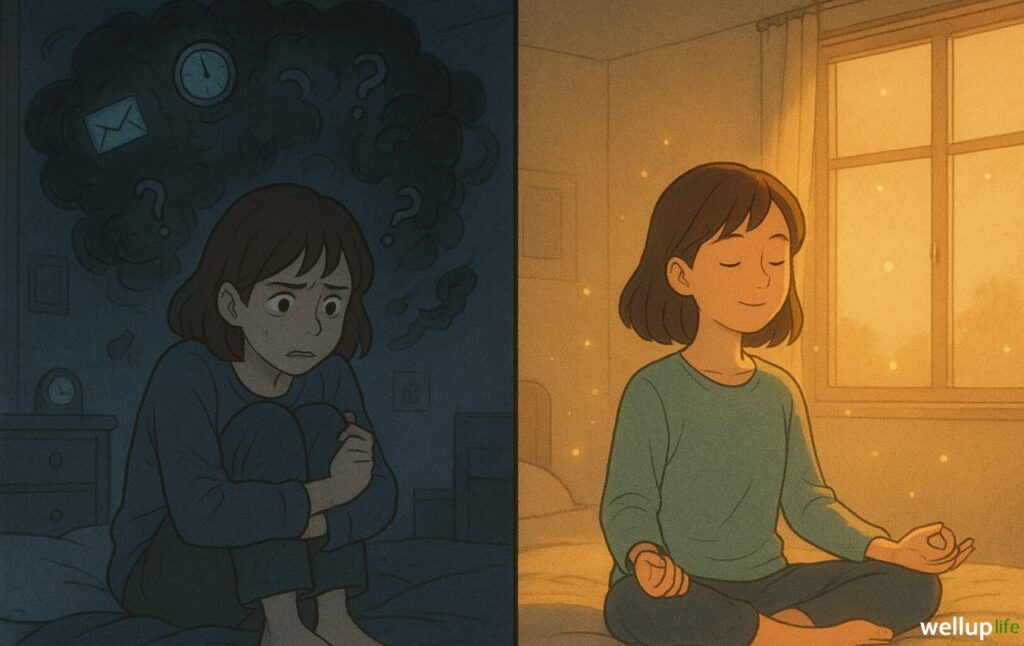
Being a teenager today isn’t easy. Between school pressure, endless social media notifications, and the constant push to “fit in,” it’s no wonder so many teens feel anxious, distracted, or overwhelmed. In fact, research shows that stress levels among teens are rising faster than ever before, and it often shows up as restlessness, poor sleep, or even panic before exams.
A Swedish study spanning 1993 to 2017 found that school-related stress in 15-year-olds more than doubled, especially among girls, highlighting how today’s adolescents face more pressure than ever before SourceSchool stress in 15-year-olds has more than doubled since the 1993 .
Stress doesn’t stay in the mind—it often shows up physically. In Chennai, researchers discovered that a staggering 84.8% of school-going adolescents felt academically overloaded, and 23.5% reported sleep disturbances, showing a clear link between increased stress and poor sleep hygiene SourceOver 84% of adolescents feel academic overload and 23.5% report sleep disturbances .
This is where mindfulness exercises for teens can make a real difference. Mindfulness isn’t about sitting cross-legged for hours or “emptying the mind.” Instead, it’s about learning simple ways to pause, notice the present moment, and reset the mind when life feels too heavy.
In this guide, we’ll explore 10 practical mindfulness exercises for teens—from quick breathing techniques to fun classroom activities—that actually work. Whether you’re a parent hoping to calm your teen’s stress, a teacher wanting to bring focus into the classroom, or a teen yourself looking for easy ways to manage anxiety, these exercises are designed to fit into everyday life.
At its core, mindfulness simply means paying attention to the present moment without judgment. Instead of getting caught up in worries about the future or regrets about the past, mindfulness brings awareness back to what’s happening right now—our breath, our thoughts, or even the way our body feels.
Mindfulness exercises are practical activities that help us train this awareness. These can be as simple as taking three deep breaths, slowly eating a piece of chocolate while noticing its taste and texture, or scanning your body to release hidden tension. The goal isn’t to “empty the mind” but to notice thoughts and feelings with kindness rather than letting them take over.
Studies show that regular mindfulness practice can reduce anxiety, improve concentration, and support emotional well-being SourceAmerican Psychological Association – Mindfulness practice linked to stress reduction .
For teens especially, mindfulness exercises are powerful because they don’t require special equipment or long hours of practice—just a few minutes of focused attention can make a noticeable difference.
Teen years are full of challenges—academic pressure, endless social media scrolling, shifting friendships, and the search for identity. While these years can be exciting, they’re also a time when stress, anxiety, and overthinking often peak. In fact, studies suggest that nearly one in three adolescents will experience an anxiety disorder before they reach adulthood SourceNational Institute of Mental Health – Adolescent Mental Health Statistics .
This is where mindfulness becomes more than just a “wellness trend.” Practicing mindfulness helps teens:
Imagine a 16-year-old student sitting nervously before a math exam. Their heart is racing, palms are sweaty, and the mind is flooded with “What if I fail?” thoughts. Instead of spiraling, they pause for a 3-minute breathing exercise—inhale deeply, exhale slowly, and simply notice each breath. Within minutes, their body relaxes, and the racing thoughts begin to settle. The exam might still be challenging, but they now face it with clarity and calm rather than panic.
This simple practice shows how even a few minutes of mindfulness can shift a teen’s mindset from chaotic to calm.
Mindfulness doesn’t have to be complicated. In fact, the best exercises are often short, simple, and practical—perfect for busy teens. Below, we’ll explore 10 mindfulness techniques designed specifically for teenagers, with step-by-step instructions that make them easy to try anytime.
This exercise is one of the quickest ways for teens to manage sudden anxiety, overthinking, or panic. It uses the five senses to bring attention back to the present moment.
This simple yet powerful technique helps teens interrupt racing thoughts and calm the nervous system. By focusing on the senses, the brain shifts away from stress triggers and into the safety of the present moment SourceAnxiety & Depression Association of America – Grounding techniques for anxiety .
Tip for Teens: You can practice this mindfulness exercise silently, and no one will even notice—making it perfect for classrooms or crowded places.
Breathing is something we do all day without thinking—but when done mindfully, it becomes a powerful tool to calm the mind and body. For teens, this exercise is especially useful during moments of stress, nervousness, or even before sleep.
Breathing mindfully sends signals to the brain that it’s safe, which reduces the “fight or flight” response. Research shows that mindful breathing helps lower stress, improve attention, and regulate emotions SourceHarvard Health Publishing – Mindful breathing can reduce stress .
Tip for Teens: If focusing feels hard, try silently saying “in” when you breathe in and “out” when you breathe out. This little trick makes it easier to stay present.
Sometimes stress shows up not just in the mind but also in the body—tight shoulders, clenched jaw, or a heavy chest. The body scan relaxation exercise helps teens release this hidden tension by mindfully checking in with each part of the body. It’s one of the most effective mindfulness exercises for relaxation and can be done lying down or sitting comfortably.
Body scanning teaches teens to notice stress signals in their body early—before they turn into headaches, fatigue, or irritability. Research shows that body scan meditation can reduce stress and improve sleep quality SourceNational Center for Biotechnology Information – Body scan meditation and stress reduction .
Tip for Teens: Pair this with calming music or a guided body scan audio (many free versions are on YouTube) to make it even more soothing.
Writing can be one of the most powerful mindfulness exercises for teens, especially when emotions feel overwhelming. Journaling helps process thoughts, release stress, and notice patterns in feelings—without judgment. Unlike regular writing, mindful journaling focuses on awareness and reflection rather than perfection.
Journaling creates a safe outlet for emotions and helps teens observe their thoughts instead of being controlled by them. Research shows that expressive writing reduces anxiety and improves overall well-being SourcePositive Psychology – Expressive writing and its mental health benefits .
Tip for Teens: If writing feels hard, start by just listing 3 emotions you’re feeling—sometimes even naming them can bring relief.
Gratitude may sound simple, but it’s one of the most powerful mindfulness activities for teens. By focusing on what’s going right—rather than what feels stressful—teens can train their minds to notice the positives in everyday life. Over time, this shift builds resilience, optimism, and emotional balance.
Research shows that gratitude practice boosts happiness, reduces stress, and improves mental health—especially in young people SourceGreater Good Science Center – The Science of Gratitude . For teens, this simple exercise shifts focus away from social comparison and stress, and onto appreciation.
Tip for Teens: Keep a “gratitude jar.” Each day, write one thing you’re thankful for on a small paper slip and drop it in. On hard days, open the jar and read a few notes—you’ll instantly remind yourself of the good around you.
Eating is something we all do every day—but how often do we really taste our food? Teens often snack while scrolling or rushing, which means they miss the calming power of eating mindfully. This mindful eating exercise teaches awareness, patience, and presence in a super relatable way.
This exercise helps teens develop a healthier relationship with food and trains the brain to focus on the present moment. Studies show mindful eating reduces stress eating, improves digestion, and enhances overall well-being SourceHarvard Health – Mindful eating: Savor the flavor .
Tip for Teens: Try mindful eating with your favorite snack—it makes even chips or chocolate taste richer when you really pay attention.
Sometimes our minds feel like a storm—homework, exams, friendships, social media, all swirling at once. Visualization meditation is a mindfulness exercise for teens that uses imagination to create calm. By picturing a safe, peaceful place, teens can reduce stress and reset their emotions.
Visualization is proven to reduce anxiety and activate the body’s relaxation response SourceCleveland Clinic – Guided imagery for relaxation and stress relief . It’s especially useful for teens who feel overwhelmed by exams, social pressures, or racing thoughts.
Tip for Teens: Create a “go-to calm place” you can use every time. The more often you return to the same peaceful image, the easier it becomes to relax quickly.
Walking is something we do without thinking. But when we slow it down and notice each step, it becomes one of the most powerful mindfulness exercises for teens. Walking meditation combines movement with awareness—perfect for restless energy or when sitting still feels impossible.
Walking meditation helps teens release stress, improve focus, and connect body with mind. Research shows mindful walking can reduce anxiety and promote better emotional regulation SourceNCBI – Effects of walking meditation on anxiety, depression, and stress .
Tip for Teens: Try walking barefoot on grass for a few minutes—this simple “grounding” practice makes you feel even more connected to nature and calm.
Sometimes the hardest person to be kind to is… ourselves. Loving-kindness meditation, also called Metta, helps teens replace negative self-talk with warmth and compassion. By silently sending good wishes to themselves and others, they cultivate empathy, peace, and emotional resilience.
Studies show loving-kindness meditation reduces anxiety, increases positive emotions, and strengthens social connections SourceGreater Good Science Center – How loving-kindness meditation changes the brain . For teens, it’s a powerful tool to heal from self-doubt, bullying, or feelings of loneliness.
Tip for Teens: If saying the phrases feels awkward at first, just imagine sending a warm “hug of kindness” to yourself or others—it works just the same.
Mondays can feel heavy for teens—new assignments, classes, and the stress of the week ahead. A Mindful Monday Routine helps start the week with clarity, calm, and focus. Instead of rushing, teens take small moments of mindfulness to set a positive tone for the next seven days.
This simple 15–20 minute Monday routine blends gratitude, mindfulness, and journaling. It sets the tone for the week, reduces Monday stress, and helps teens feel more in control of their energy and mindset.
Tip for Teens: You don’t have to do it perfectly—just try one or two steps consistently, and build from there.
Mindfulness is most effective for teens when the adults around them create a supportive environment. Parents and teachers are not just guides but also role models—teenagers notice more than they admit, and their stress responses often mirror the adults they live and learn with. In fact, research highlights that parental stress directly influences how children experience and handle stress themselves SourceAPA – How parental stress affects kids .
This means that the first step in nurturing mindfulness in teens is to lead by example. When parents practice a few moments of calm breathing before dinner, or teachers open class with a quiet pause, teenagers are more likely to adopt mindfulness naturally, without it feeling forced. Below are some key strategies that parents and teachers can adopt.
Teens notice far more than they say. When parents pause to take a few calming breaths before dinner, or teachers begin class with a short mindful moment, they demonstrate that mindfulness is not just talk—it’s a practice. Leading by example shows that slowing down is a strength, not a weakness.
Lengthy meditation sessions may feel overwhelming for teens. Instead, quick practices—such as one minute of mindful breathing before exams or a short body scan after sports—can feel approachable. These small, repeatable moments give teens practical tools to manage stress without making mindfulness seem like a chore.
The environment in which mindfulness is practiced matters. At home, this could mean family meals without screens or a calming bedtime routine. At school, teachers can introduce short reflection breaks or designate a calm corner for students who need to reset. These small environmental cues reduce overstimulation and make mindfulness a natural part of the day.
Not every teen will enjoy meditation, but many connect with journaling. Giving teens a space to write down what they’re grateful for, or reflect on daily challenges, helps them process emotions. In classrooms, prompts like “What challenged you today?” encourage self-awareness. Journaling has been shown to reduce stress and improve emotional well-being SourceUniversity of Rochester Medical Center – Journaling for mental health .
Mindfulness should never feel forced. When teens feel judged for “not doing it right,” they become resistant. Instead, parents and teachers can invite curiosity by asking gentle questions such as, “How did you feel after that exercise?” and celebrating small efforts. Over time, these little successes build consistency.
Mindfulness becomes more engaging when tied to what teens already enjoy. Music can be listened to mindfully by noticing instruments and lyrics, sports can be practiced with awareness of breath and movement, and art can be approached with slow, intentional strokes. Connecting mindfulness to hobbies makes it fun and personal.
Technology is a huge part of teen life, and helping them use it mindfully is essential. Parents can encourage tech-free meals or a no-screen hour before bedtime. Teachers can guide students in reflecting on whether their online activities feel uplifting or draining. Introducing mindfulness apps like Calm or Headspace can also turn screen time into a positive experience.
By modeling calm behavior, keeping mindfulness simple, and weaving it into everyday routines, parents and teachers can create an atmosphere where teens not only learn about mindfulness but truly live it.
While mindfulness offers many benefits, teens may face obstacles when trying to practice regularly. Understanding these challenges—and knowing how to gently overcome them—can make the journey smoother and more rewarding.
With school, homework, sports, and social activities, teens often feel they have no time for mindfulness. The truth is, mindfulness doesn’t always require long sessions. Even one minute of deep breathing before an exam or a mindful walk between classes can make a difference. Parents and teachers can encourage “micro-moments” of mindfulness rather than setting strict, long practices.
Solution: Start small. Suggest brief exercises like mindful breathing for 60 seconds or noticing three things around them before opening a textbook. Over time, these tiny practices build into a habit.
Many teens report, “My mind keeps wandering” when trying mindfulness. This is completely normal—the brain is designed to think. The goal of mindfulness is not to empty the mind but to notice when it wanders and gently return to the present.
Solution: Use guided practices. Apps, videos, or a parent/teacher’s calm voice can help keep teens anchored. Activities that engage the senses—like mindful eating or listening to music—are also easier starting points for focus.
Some teens may feel embarrassed practicing mindfulness, especially around peers. They might see it as “weird” or worry about being judged.
Solution: Normalize mindfulness by making it a group activity. Teachers can introduce a one-minute breathing exercise at the start of class, or families can do a gratitude round at dinner. When it’s practiced openly, it becomes less intimidating.
Teens (and adults alike) often expect mindfulness to work like a quick fix. When stress doesn’t vanish immediately, they may feel it “doesn’t work.”
Solution: Shift expectations. Mindfulness is like exercise—it builds strength over time. Remind teens that the benefits, such as reduced anxiety or better focus, become noticeable after consistent practice. Celebrate small progress, like “I stayed calm during a tough moment today.”
Ironically, while there are great mindfulness apps, teens may struggle because they’re glued to devices in non-mindful ways. Endless scrolling fuels stress and distracts from present-moment awareness.
Solution: Encourage “mindful tech use.” This could mean setting limits on social media, practicing phone-free meals, or using mindfulness apps for short practices. Parents and teachers can guide them to reflect on how certain online activities make them feel.
Not all teens will immediately connect with mindfulness. Some may see it as boring, unnecessary, or too “spiritual.”
Solution: Make it relatable. Instead of saying “Let’s meditate,” connect mindfulness to what they already enjoy—sports, art, music, or even gaming. For example, an athlete can practice mindful breathing before a match, while an artist can notice each brushstroke as a form of meditation.
Key Insight: Challenges are part of the mindfulness journey, not signs of failure. By keeping practices short, flexible, and fun, teens can slowly overcome resistance and discover mindfulness as a tool that grows with them.
Mindfulness becomes more approachable when teens have access to simple, reliable, and engaging tools. The good news is that many free resources—from apps to websites to guided videos—are already available online. Below are some trusted tools to get started.
Tip: Many schools and community libraries now carry free e-book or audiobook versions of these resources.
Parents and teachers can also explore local opportunities such as:
Teens should try different resources and notice what feels most natural—some may enjoy apps, others may prefer journaling or videos. There’s no one-size-fits-all. The key is consistency and keeping the practice light, not forced.
There’s no single “best” exercise—it depends on the teen’s personality and situation. However, mindful breathing and body scan meditation are often the easiest starting points because they are simple, quick, and can be done anywhere. These practices help reduce stress, improve focus, and calm overwhelming thoughts.
Consistency is more important than duration. Even 5–10 minutes daily can make a noticeable difference in mood and concentration. Teens can start small—like one mindful breath before class or a short walking meditation after homework—and gradually increase as it feels natural.
Yes. Research shows that mindfulness reduces anxiety and improves focus, which is especially helpful during exams. Techniques like mindful breathing, visualization, or even mindful journaling help teens approach exams with clarity instead of panic.
Not exactly. Mindfulness is the practice of paying attention to the present moment without judgment, and it can be done during everyday activities like walking, eating, or studying. Meditation is a structured practice (like sitting quietly and focusing on the breath) that helps deepen mindfulness. Both support each other.
Absolutely. While apps and teachers are helpful, mindfulness can be practiced anywhere—by simply focusing on breathing, noticing sensations, or journaling thoughts. Teens don’t need fancy tools, just a little guidance and regular practice.
For most teens, mindfulness is safe and beneficial. However, if a teen struggles with severe anxiety, trauma, or depression, mindfulness should be introduced gently and sometimes with professional guidance. In such cases, it’s best to combine it with support from a counselor or therapist.
Yes. Mindfulness encourages active listening, patience, and empathy, which can reduce misunderstandings. Teens who practice mindfulness often feel calmer and respond thoughtfully instead of reacting impulsively, leading to better communication with peers and family.
Mindfulness is not just a “trend”—it’s a life skill that empowers teens to handle stress, improve focus, and build emotional resilience in today’s fast-paced world. Through simple yet powerful practices like breathing exercises, body scans, mindful journaling, and gratitude routines, teenagers can learn to pause, reflect, and respond with clarity instead of reacting in haste.
For parents and teachers, mindfulness is a gift worth nurturing. By modeling calmness, encouraging small daily practices, and creating supportive spaces, adults can guide teens toward a healthier mindset and stronger emotional balance.
The key takeaway? Mindfulness doesn’t require hours of meditation or expensive tools—it only asks for a few minutes of presence each day. And those small moments of awareness can ripple out, improving focus in school, reducing exam anxiety, and even strengthening friendships and family bonds.
Final Thought: Every mindful breath, every grateful thought, and every intentional pause is a step toward greater peace. When teens start practicing mindfulness now, they’re not just improving their present—they’re building resilience for a lifetime.








Medically Reviewed By: