Physical Address
304 North Cardinal St.
Dorchester Center, MA 02124

Physical Address
304 North Cardinal St.
Dorchester Center, MA 02124
Written By:
Medically Reviewed By:

Stress has become such a common part of modern life that many people accept it as normal. From juggling work deadlines and family responsibilities to dealing with financial worries and the constant stream of notifications, it’s easy to feel overwhelmed. If you’ve been searching for ways to reduce stress naturally without medication, you’re certainly not alone.
While medication can be an important treatment option for some individuals under the guidance of a healthcare professional, many people are looking for natural ways to reduce stress and regain a sense of calm in their daily lives.
The good news is that small, consistent lifestyle changes can make a meaningful difference. Research shows that simple stress management techniques—such as regular exercise, mindfulness practices, quality sleep, and strong social connections—can help support both your mental and physical well-being SourceMahindru A, Patil P, Agrawal V. Role of Physical Activity on Mental Health and Well-Being: A Review. Cureus. 2023 Jan 7;15(1):e33475. doi: 10.7759/cureus.33475. PMID: 36756008; PMCID: PMC9902068. .
You don’t have to completely transform your life overnight to feel better. Often, the most effective changes are the small ones you can realistically maintain. Taking a few deep breaths during a stressful moment, going for a short walk, setting healthier boundaries, or making time for activities you enjoy can all contribute to natural stress relief over time.
In this article, we’ll explore 12 proven ways to reduce stress naturally without medication. Whether you’re looking for quick techniques to calm your mind or long-term habits that build resilience, these practical strategies can help you manage stress more effectively and create a greater sense of balance in your everyday life.
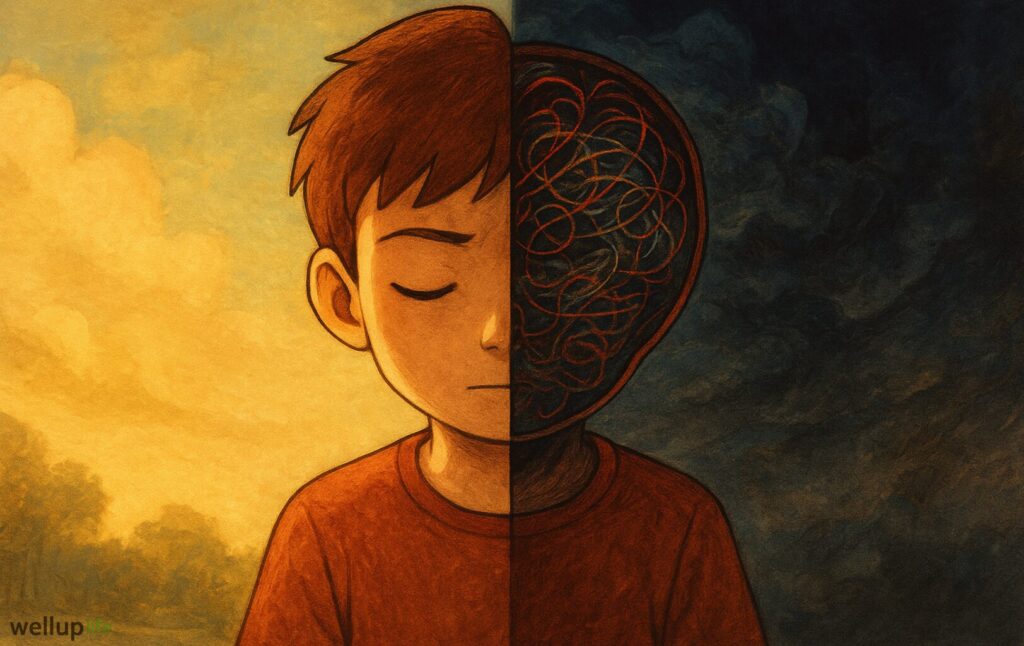
Stress isn’t just something you feel in your mind—it’s a whole-body response designed to protect you from danger. When your brain perceives a threat, whether it’s an approaching deadline, financial pressure, or a difficult conversation, it activates what’s known as the fight-or-flight response.
During this response, your body releases stress hormones such as adrenaline and cortisol. These hormones prepare you to react quickly by increasing your heart rate, raising your blood pressure, sharpening your focus, and sending more energy to your muscles. In short-term situations, this response can actually be helpful. It may motivate you to meet an important deadline, perform well during a presentation, or respond to an emergency.
However, problems arise when stress becomes constant. Unlike our ancestors, who experienced brief periods of stress followed by recovery, modern stressors can linger for weeks or even months. Ongoing work demands, relationship challenges, financial concerns, or caregiving responsibilities can keep your body’s stress response activated for long periods.
Over time, chronic stress can begin to affect both your physical and mental well-being. You might notice symptoms such as:
Recognizing these signs is important because they are your body’s way of signaling that it needs support. The encouraging news is that there are many natural ways to reduce stress and help regulate your body’s stress response. By practicing effective stress management techniques, you can improve your ability to cope with everyday challenges and support your overall well-being.
Understanding how stress affects your body is the first step toward learning how to reduce stress naturally without medication. The strategies in the following sections can help you calm your nervous system, build resilience, and feel more in control of your daily life.
When you’re stressed, your breathing often becomes shallow and rapid without you even noticing. This can signal to your body that you’re in danger, keeping your stress response active. Deep breathing exercises work in the opposite way—they help activate your body’s relaxation response, encouraging your heart rate to slow down and your muscles to release tension.
One of the reasons deep breathing is considered one of the most effective natural ways to reduce stress is that it’s simple, free, and can be done almost anywhere. Whether you’re feeling overwhelmed at work, anxious before an important event, or struggling to unwind at the end of the day, taking a few intentional breaths can help you feel calmer and more grounded.
A beginner-friendly technique to try is the 4-4-6 breathing method:
As you practice, you may notice that your shoulders relax, your racing thoughts begin to slow down, and your body feels less tense. While deep breathing won’t eliminate the source of your stress, it can help you respond to stressful situations with greater clarity and control.
Consider using this technique:
If you’re looking to reduce stress naturally without medication, deep breathing is one of the easiest stress management techniques to start with. Even just a few minutes each day can help support a greater sense of calm and emotional balance over time.
Set a reminder on your phone to practice deep breathing for two minutes once or twice a day. Like any healthy habit, consistency matters more than perfection.
Have you ever noticed that you feel a little lighter or more clear-headed after a walk, workout, or even dancing around your room? That’s not just your imagination. Physical activity is one of the most effective natural ways to reduce stress because it benefits both your body and your mind.
When you’re stressed, your body releases hormones like cortisol and adrenaline that prepare you to deal with perceived threats. Regular exercise helps regulate these stress hormones while also triggering the release of endorphins—often called the body’s natural “feel-good” chemicals. These endorphins can improve your mood, reduce tension, and help you feel more capable of handling daily challenges.
The interesting thing is that you don’t have to spend hours at the gym or train like an athlete to experience these benefits. Any movement that you enjoy and can do consistently can serve as an effective stress management technique.
Some simple ways to get started include:
It’s also important to remember that exercise doesn’t have to be perfect to be beneficial. Some days, a full workout may feel achievable. Other days, a short walk or a few minutes of stretching might be enough—and that’s okay. The goal is consistency, not perfection.
If you’re trying to reduce stress naturally without medication, finding a form of movement that you genuinely enjoy can make it easier to turn exercise into a sustainable habit. Over time, regular physical activity may not only help you manage stress more effectively but also improve your sleep, energy levels, and overall well-being.
Aim for at least 30 minutes of moderate physical activity most days of the week. If that feels overwhelming, start with just 10 minutes a day and gradually build from there. Even small amounts of movement can make a meaningful difference in your stress levels.
Have you ever noticed that everything feels more overwhelming after a poor night’s sleep? Tasks that normally seem manageable may suddenly feel stressful, and even minor inconveniences can become harder to handle. That’s because sleep and stress are closely connected.
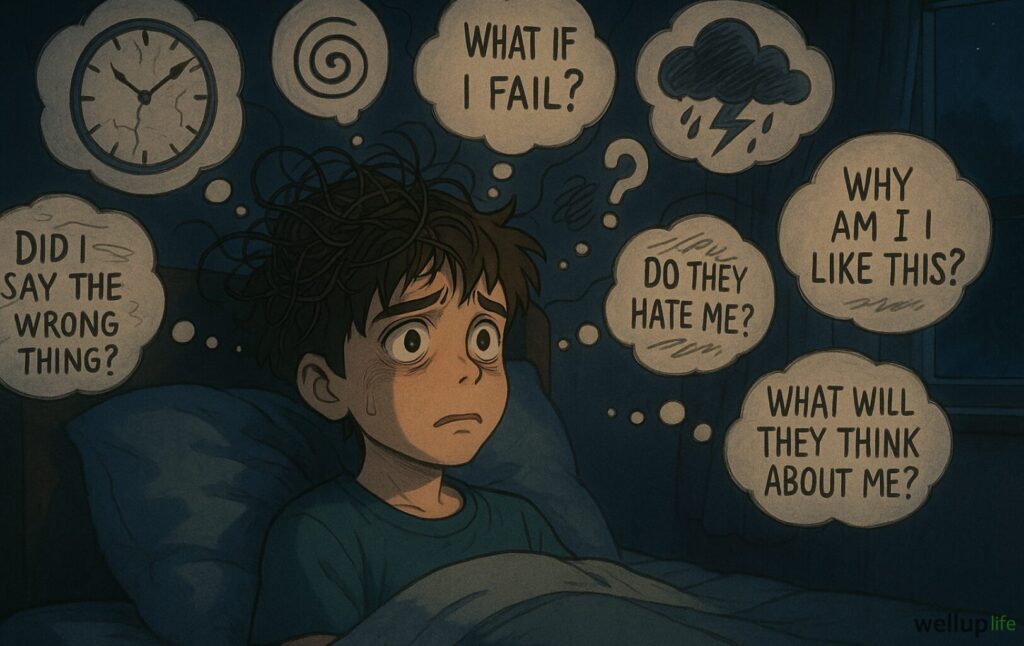
When you’re under stress, it can be difficult to fall asleep or stay asleep. Racing thoughts, anxiety about the next day, or feeling mentally “switched on” can interfere with the rest your body needs. At the same time, lack of quality sleep can increase stress levels, making it more difficult to regulate emotions, concentrate, and cope with everyday challenges.
Prioritizing good sleep habits is one of the most effective natural ways to reduce stress because it gives both your mind and body an opportunity to recover and recharge.
Here are some simple habits that may help improve your sleep quality:
It’s important to remember that improving sleep doesn’t happen overnight. If you’ve struggled with poor sleep for a long time, small changes practiced consistently can gradually lead to better results.
If you’re looking to reduce stress naturally without medication, prioritizing sleep may be one of the most impactful stress management techniques you can adopt. Better sleep supports emotional resilience, improves your ability to cope with challenges, and helps you approach daily life with greater energy and clarity.
Aim for 7–9 hours of quality sleep each night. Instead of focusing on achieving “perfect” sleep, concentrate on creating healthy habits that support restful and consistent sleep over time.
When stress takes over, it’s easy to get caught up in worrying about the future or replaying past events in your mind. Mindfulness meditation is a practice that encourages you to gently bring your attention back to the present moment, helping you break free from the cycle of anxious thoughts and mental overwhelm.
Contrary to popular belief, mindfulness doesn’t mean forcing your mind to go completely blank or stopping all thoughts. Instead, it’s about noticing your thoughts, feelings, and sensations without judging them. When your mind wanders—which it naturally will—you simply guide your attention back to the present moment.
Research suggests that mindfulness practices may help reduce stress, improve emotional regulation, and promote a greater sense of calm SourceKeng SL, Smoski MJ, Robins CJ. Effects of mindfulness on psychological health: a review of empirical studies. Clin Psychol Rev. 2011 Aug;31(6):1041-56. doi: 10.1016/j.cpr.2011.04.006. Epub 2011 May 13. PMID: 21802619; PMCID: PMC3679190. . That’s why mindfulness meditation is often recommended as one of the most effective natural ways to reduce stress.
If you’re new to meditation, start small. You don’t need to meditate for an hour to experience benefits. Even 5–10 minutes a day can be a meaningful step toward building a healthier relationship with stress.
Here’s a simple mindfulness meditation exercise to try:
At first, you may feel like you’re “not doing it right” because your mind keeps wandering. This is completely normal. The practice isn’t about achieving perfection—it’s about repeatedly returning your focus to the present moment with patience and self-compassion.
If you’re trying to reduce stress naturally without medication, mindfulness meditation can become a valuable addition to your stress management techniques. Over time, it may help you respond to stressful situations with greater awareness rather than reacting automatically to them.
If sitting meditation feels challenging, try practicing mindfulness during everyday activities like eating, walking, or washing dishes by paying full attention to the experience instead of multitasking.
What you eat and drink can have a bigger impact on your stress levels than you might realize. While that morning cup of coffee or an afternoon sugary snack may provide a temporary energy boost, consuming too much caffeine or excess sugar can sometimes make feelings of stress and anxiety worse.
Caffeine stimulates your nervous system, helping you feel more alert and focused. However, in larger amounts, it may also contribute to symptoms such as a racing heart, restlessness, irritability, or difficulty sleeping—especially if you’re already experiencing high levels of stress.
Similarly, foods and drinks high in added sugars can cause rapid spikes and drops in blood sugar levels. These fluctuations may leave you feeling tired, moody, or more emotionally reactive throughout the day.
This doesn’t mean you have to completely give up coffee or your favorite treats. Instead, the goal is to pay attention to how your body responds and make adjustments that support your well-being.
Here are some simple ways to create a more balanced approach:
Some alternatives you might consider include:
If you’re looking to reduce stress naturally without medication, making small, sustainable changes to your eating habits can complement other stress management techniques like exercise, mindfulness, and quality sleep. The goal isn’t perfection—it’s creating habits that help you feel your best physically and emotionally.
If you drink several cups of coffee each day, try reducing your intake gradually rather than stopping suddenly. This approach may help minimize withdrawal symptoms such as headaches or irritability.
Have you ever noticed that a short walk in a park, sitting under a tree, or simply feeling the warmth of sunlight on your skin can help you feel more relaxed? Spending time in nature has been linked to lower stress levels and improved emotional well-being, making it one of the simplest natural ways to reduce stress.
Modern life often keeps us indoors, surrounded by screens, traffic, and constant stimulation. While technology offers many benefits, being continuously connected can sometimes leave us feeling mentally exhausted. Nature provides an opportunity to slow down, shift our focus away from daily pressures, and give our minds a chance to reset.
Research suggests that spending time in natural environments may help reduce stress hormones, improve mood, and promote feelings of calm SourceSpend Time in Nature to Reduce Stress and Anxiety - American Heart Association . Even brief periods outdoors can make a difference.
The good news is that you don’t need to plan an elaborate hiking trip to experience these benefits. Small moments of connection with nature can still support your overall well-being.
Here are some simple ways to incorporate more nature into your routine:
If you’re feeling overwhelmed, even stepping away from your desk for a few minutes to get fresh air can provide a mental reset. These small breaks can help interrupt the cycle of stress and create moments of calm throughout your day.
If you’re thinking to reduce stress naturally without medication, spending more time outdoors can be a valuable addition to your stress management techniques. Nature reminds us to slow down, be present, and reconnect with ourselves in a world that often feels fast-paced and demanding.
Start with a goal of spending 10–20 minutes outside each day. Consistency matters more than duration, and even brief exposure to natural environments may support stress relief and overall well-being.
Stress often makes people want to withdraw from others. You might tell yourself that you don’t want to burden anyone with your problems or that you’ll reach out once things “settle down.” However, meaningful social connections are one of the most important resources we have during difficult times.
Talking with someone you trust can provide emotional comfort, practical advice, or simply the reassurance that you’re not facing challenges alone. Supportive relationships can help you gain perspective, process difficult emotions, and build resilience when life feels overwhelming.
This doesn’t mean you need a large social circle. Even a few close relationships can make a significant difference in your overall well-being. Quality often matters more than quantity when it comes to social support.
There are many simple ways to nurture your connections:
If reaching out feels difficult, especially during periods of high stress, start small. Sending a simple message, having a brief conversation, or spending time with someone whose company you enjoy can be a positive first step.
Remember that asking for support isn’t a sign of weakness—it’s a normal part of being human. Strong social connections can provide encouragement during challenging times and remind you that you don’t have to navigate stress on your own.
Choose one person you trust and make a point to connect with them this week. A meaningful conversation, even if it’s short, can help you feel more supported and less isolated.
Sometimes, stress can feel overwhelming because everything is happening inside your head at once. Worries about work, family responsibilities, financial concerns, or future uncertainties can create a constant stream of thoughts that are difficult to organize. Journaling offers a simple way to slow down and make sense of what’s on your mind.
Writing about your thoughts and feelings doesn’t require any special skills or a beautifully designed notebook. The goal isn’t to produce perfect writing—it’s to create a private space where you can express yourself honestly and process your emotions without judgment.
Journaling can help you:
If you’re new to journaling, you might wonder what to write about. The good news is that there are no strict rules. You can write freely about your day or use prompts to guide your reflection.
Here are a few simple journaling prompts to get started:
You don’t need to spend hours journaling to experience benefits. Even 5–10 minutes a few times each week can help you process emotions more effectively and create a greater sense of mental clarity.
Over time, journaling may help you better understand your reactions to stress and develop healthier ways of coping with life’s challenges. It can also serve as a reminder of your strength and progress during difficult periods.
Keep a notebook by your bedside or use a notes app on your phone. Choose a journaling method that feels convenient and sustainable so it becomes a supportive habit rather than another task on your to-do list.
Many people struggle with setting boundaries because they worry about disappointing others, appearing selfish, or creating conflict. As a result, they may take on more responsibilities than they can realistically manage, leaving little time or energy for their own well-being.
Healthy boundaries are not about pushing people away or avoiding responsibilities. Instead, they are about recognizing your limits and communicating them in a respectful way. Boundaries help protect your time, energy, and emotional health, making it easier to manage stress and prevent burnout.
You may need stronger boundaries if you often find yourself:
Setting boundaries can feel uncomfortable at first, especially if you’re used to putting everyone else’s needs before your own. However, boundaries are an important form of self-care and can lead to healthier relationships and improved well-being.
Here are some ways to start setting healthier boundaries:
It’s important to understand that setting boundaries doesn’t mean you don’t care about others. In fact, taking care of your own needs often allows you to show up more fully and authentically in your relationships and responsibilities.
Like any new skill, boundary-setting becomes easier with practice. Start with small changes and remind yourself that protecting your well-being is not selfish—it’s necessary.
Before agreeing to a new commitment, pause and ask yourself: “Do I realistically have the time and energy for this right now?” Giving yourself a moment to reflect can help you make decisions that align with your needs and priorities.
Have you ever noticed how a certain song can instantly change your mood? Music has a unique ability to influence how we feel. It can energize us during workouts, bring comfort during difficult times, or help us unwind after a stressful day.
When you’re feeling overwhelmed, listening to calming music may help slow your heart rate, ease muscle tension, and create a sense of relaxation. It can also provide a healthy distraction from racing thoughts and give your mind a chance to rest.
The type of music that feels calming can vary from person to person. While some people find peace in instrumental melodies or nature sounds, others may feel comforted by acoustic songs, classical music, or even familiar tracks that bring positive memories.
Here are a few types of music you might explore:
Music can also be incorporated into other stress-relieving activities. For example, you might listen to a calming playlist while:
It’s important to remember that there isn’t a “perfect” playlist for everyone. The most effective music is often the music that helps you feel safe, relaxed, and emotionally supported.
While music alone won’t eliminate life’s stressors, it can be a valuable addition to your self-care routine. Sometimes, taking a few moments to pause, put on your favorite calming songs, and simply breathe can help you feel more centered and at ease.
Create a dedicated “stress relief playlist” with songs that help you feel calm and grounded. Having it ready can make it easier to turn to music as a supportive coping tool during challenging moments.
When you’re under stress, it’s natural for your mind to focus on problems, worries, and everything that still needs your attention. While this response is understandable, constantly dwelling on difficulties can make stress feel even more overwhelming.
Practicing gratitude doesn’t mean ignoring challenges or pretending that everything is perfect. Instead, it involves intentionally noticing and appreciating the positive aspects of your life, no matter how small they may seem. This simple habit can help create a more balanced perspective during stressful times.
Gratitude can be as simple as appreciating:
Over time, regularly acknowledging these positive experiences may help shift your focus from what is lacking to what is already present in your life. This doesn’t eliminate stress, but it can support emotional resilience and promote a greater sense of well-being.
If you’d like to start a gratitude practice, consider trying one of these simple exercises:
At the end of each day, write down three things that went well, regardless of how small they seem. For each one, briefly reflect on why it was meaningful to you.
Set aside a few minutes several times a week to write about people, experiences, or aspects of your life that you appreciate.
Let someone know that you value their support, kindness, or presence in your life. A sincere message or conversation can strengthen relationships and boost positive emotions for both of you.
If some days it feels difficult to identify things you’re grateful for, that’s okay. Gratitude is a practice, not a requirement to feel positive all the time. The goal is simply to make space for moments of appreciation alongside life’s inevitable challenges.
Before going to sleep tonight, think of three things—big or small—that you’re thankful for today. This simple habit can take less than a minute and may help end your day on a more positive note.
When life gets busy and stressful, enjoyable activities are often the first things to disappear from our schedules. Hobbies, creative pursuits, and moments of relaxation can start to feel like luxuries rather than necessities. You might tell yourself, “I’ll make time for myself once everything is under control.”
The reality is that stress has a way of constantly creating new demands. Waiting for the “perfect time” to prioritize activities you enjoy may mean that your own needs continue to be pushed aside.
Making time for joy isn’t selfish or unproductive—it’s an important part of maintaining your mental and emotional well-being. Engaging in activities you genuinely enjoy can provide a break from daily pressures, help you recharge, and remind you that life consists of more than responsibilities and to-do lists.
The activities themselves don’t have to be elaborate or expensive. What matters most is that they bring you a sense of enjoyment, fulfillment, or peace.
Some ideas include:
Many adults believe they need to “earn” rest and enjoyment by completing every task first. However, allowing yourself moments of pleasure and relaxation can actually help replenish your energy and improve your ability to handle stress more effectively.
If finding time feels challenging, start small. Even 10–15 minutes a few times a week dedicated to something you enjoy can make a meaningful difference. Think of these moments not as distractions from your responsibilities, but as investments in your overall well-being.
Managing stress isn’t about eliminating every challenge from your life. It’s about creating a lifestyle that includes both responsibilities and experiences that bring you joy, connection, and fulfillment. Giving yourself permission to enjoy life is an important part of caring for your mental health.
Make a list of five activities that make you feel happy, relaxed, or energized. Choose one small activity from that list and schedule time for it this week, just as you would any other important commitment.
The strategies discussed in this article can be effective natural ways to reduce stress and improve overall well-being. However, it’s important to recognize that stress can sometimes become overwhelming or begin to significantly affect your daily life.
Seeking professional help is not a sign of weakness or failure. In fact, reaching out for support can be a courageous and proactive step toward protecting your mental health.
Consider speaking with a healthcare professional or mental health provider if:
Mental health professionals can provide personalized support and evidence-based treatments tailored to your specific needs. Depending on your situation, this may include counseling, therapy, stress management strategies, lifestyle recommendations, or other treatment options.
Remember that reducing stress naturally without medication can be part of a healthy approach to well-being, but it doesn’t mean you have to face significant challenges entirely on your own. Sometimes, combining self-care practices with professional guidance offers the greatest support.
If you’re struggling, know that help is available, and you deserve support. Taking care of your mental health is just as important as caring for your physical health.
Stress is a normal part of life, but it doesn’t have to control your well-being. While you may not be able to eliminate every source of stress, you can develop healthier ways to respond to life’s challenges and support your mental and emotional health.
The good news is that learning how to reduce stress naturally without medication doesn’t require a complete overhaul of your life. Often, the most meaningful changes begin with small, consistent actions—taking a few deep breaths during a difficult moment, going for a short walk, prioritizing quality sleep, setting healthier boundaries, or making time for activities that bring you joy.
Remember, you don’t have to implement all 12 strategies at once. Trying to change everything overnight can feel overwhelming and may add unnecessary pressure. Instead, choose one or two stress management techniques that resonate with you and start there. As these habits become part of your routine, you can gradually explore additional approaches that support your well-being.
It’s also important to practice self-compassion throughout this process. There will be days when managing stress feels easier and days when it feels more challenging—and that’s completely normal. Progress isn’t about being calm all the time; it’s about building resilience and learning to care for yourself in ways that feel sustainable and supportive.
Most importantly, remember that seeking help when you need it is a sign of strength, not weakness. While natural ways to reduce stress can be highly effective for many people, professional support is always an option if stress begins to significantly impact your daily life.
You deserve to feel supported, balanced, and well. By taking small steps consistently, you can create healthier habits that help you navigate stress with greater confidence and compassion. Start with one simple change today—your future self will thank you for it.
Yes, many people can reduce stress naturally without medication by adopting healthy lifestyle habits and stress management techniques. Strategies such as deep breathing exercises, regular physical activity, quality sleep, mindfulness meditation, journaling, and maintaining supportive relationships can help manage everyday stress. However, if stress becomes severe or significantly affects your daily life, seeking professional support is important.
There isn’t a single solution that works for everyone, but some of the fastest natural stress relief techniques include deep breathing exercises, taking a short walk, listening to calming music, practicing mindfulness, or using grounding techniques that help you focus on the present moment. These methods can help calm your nervous system and reduce feelings of overwhelm.
The best exercise for stress relief is one that you enjoy and can do consistently. Walking, yoga, swimming, cycling, dancing, and strength training have all been shown to support emotional well-being and reduce stress levels. Regular movement helps release endorphins, which are natural chemicals that promote positive feelings and relaxation.
Some techniques, such as deep breathing or listening to calming music, may provide immediate relief during stressful moments. Other habits, including regular exercise, mindfulness meditation, and improving sleep quality, often provide greater benefits when practiced consistently over several weeks. Patience and consistency are key when building healthy coping strategies.
Not necessarily. Short-term stress can sometimes be beneficial by helping you stay alert, motivated, and focused during challenging situations. However, chronic stress that persists for extended periods can negatively impact both physical and mental health. Learning effective ways to manage stress can help reduce its long-term effects.
Common signs of chronic stress include persistent fatigue, headaches, muscle tension, irritability, difficulty concentrating, changes in appetite, digestive problems, anxiety, and sleep disturbances. If these symptoms continue or begin interfering with your daily life, consider speaking with a healthcare professional.
Yes. Sleep and stress are closely connected. Poor sleep can make it harder to regulate emotions, concentrate, and cope with daily challenges, while stress can make it difficult to fall asleep or stay asleep. Prioritizing good sleep habits is an important part of managing stress naturally.
It’s a good idea to seek professional support if stress is interfering with your work, relationships, or daily responsibilities, or if you’re experiencing persistent anxiety, panic attacks, ongoing sleep problems, or feelings of hopelessness. Mental health professionals can provide personalized guidance and treatment options based on your individual needs.